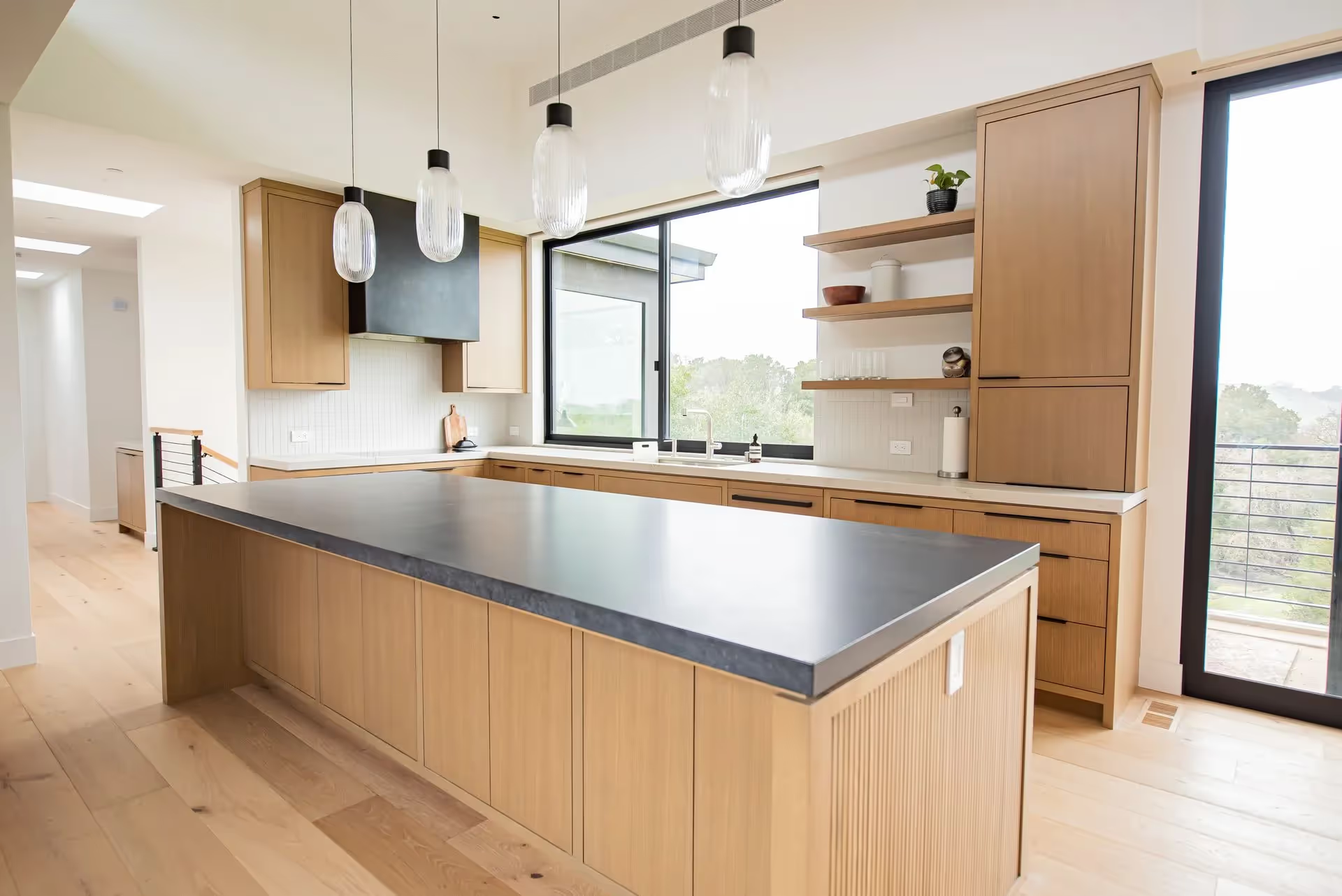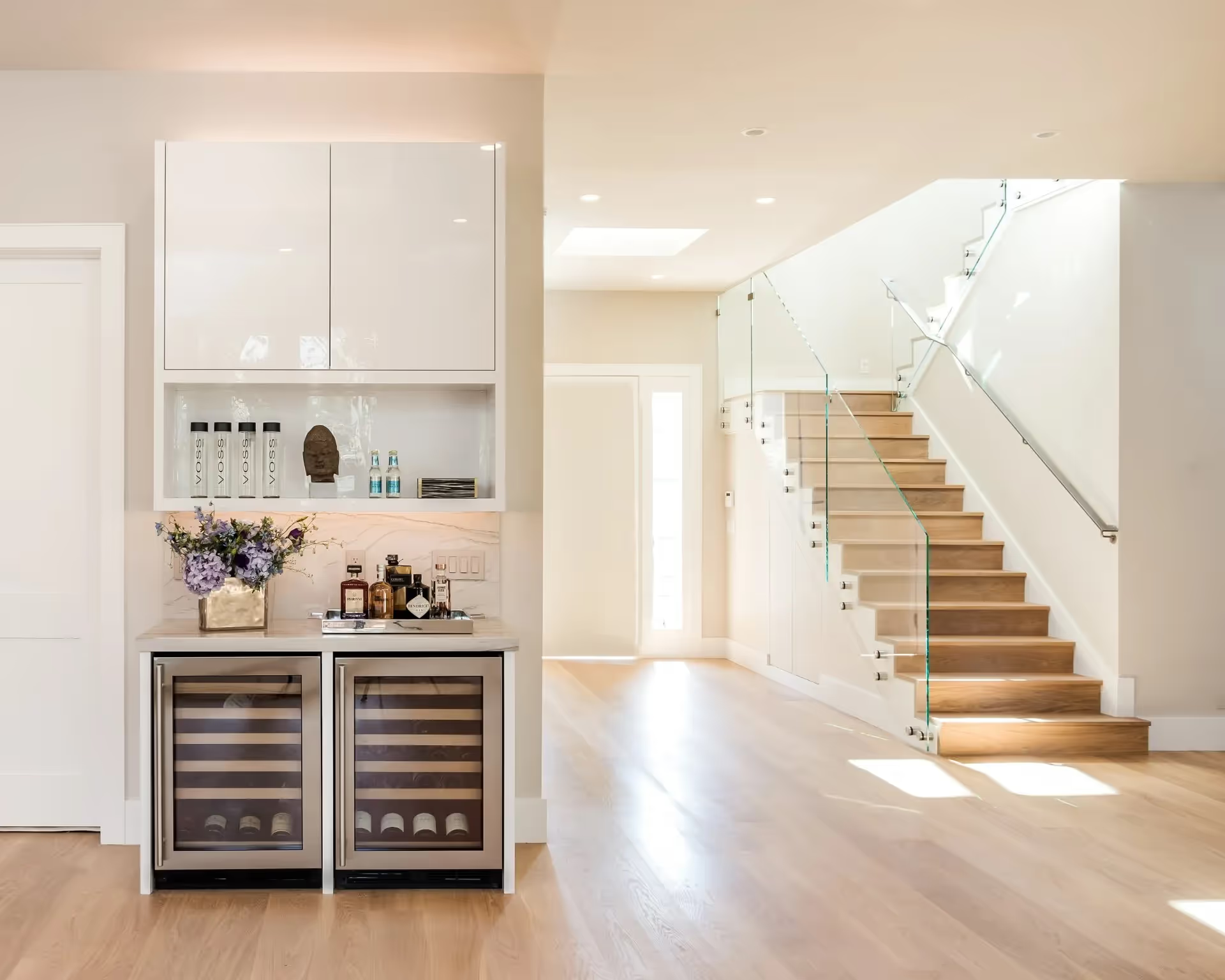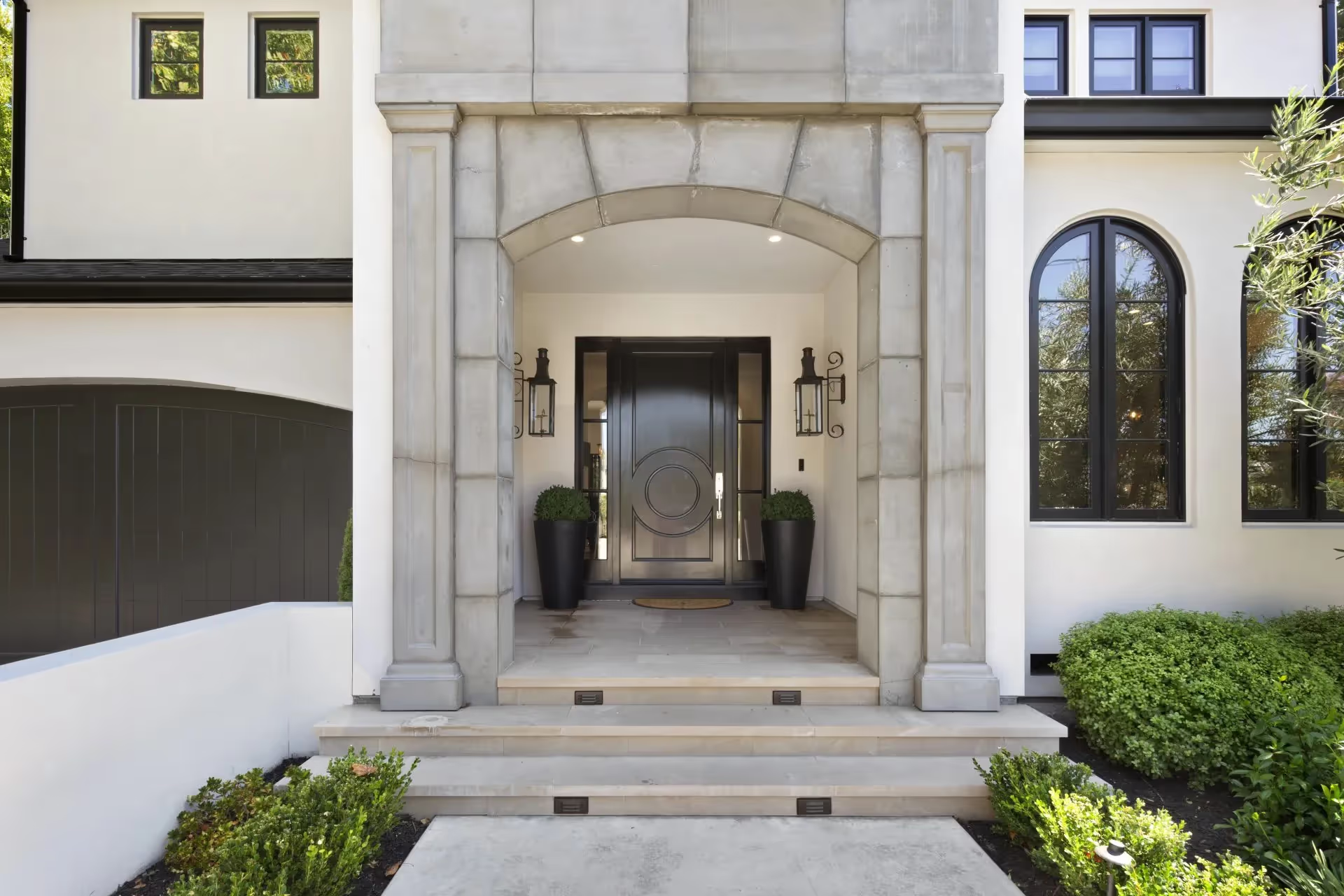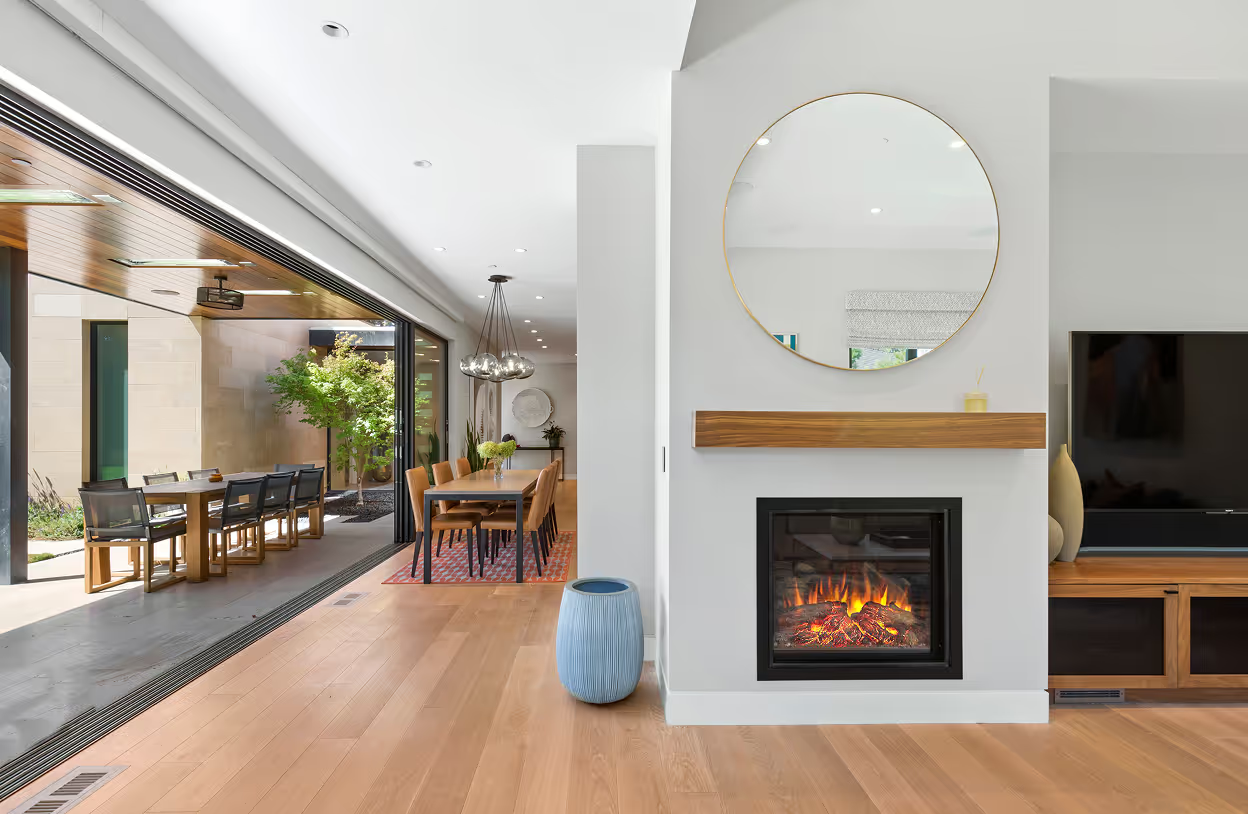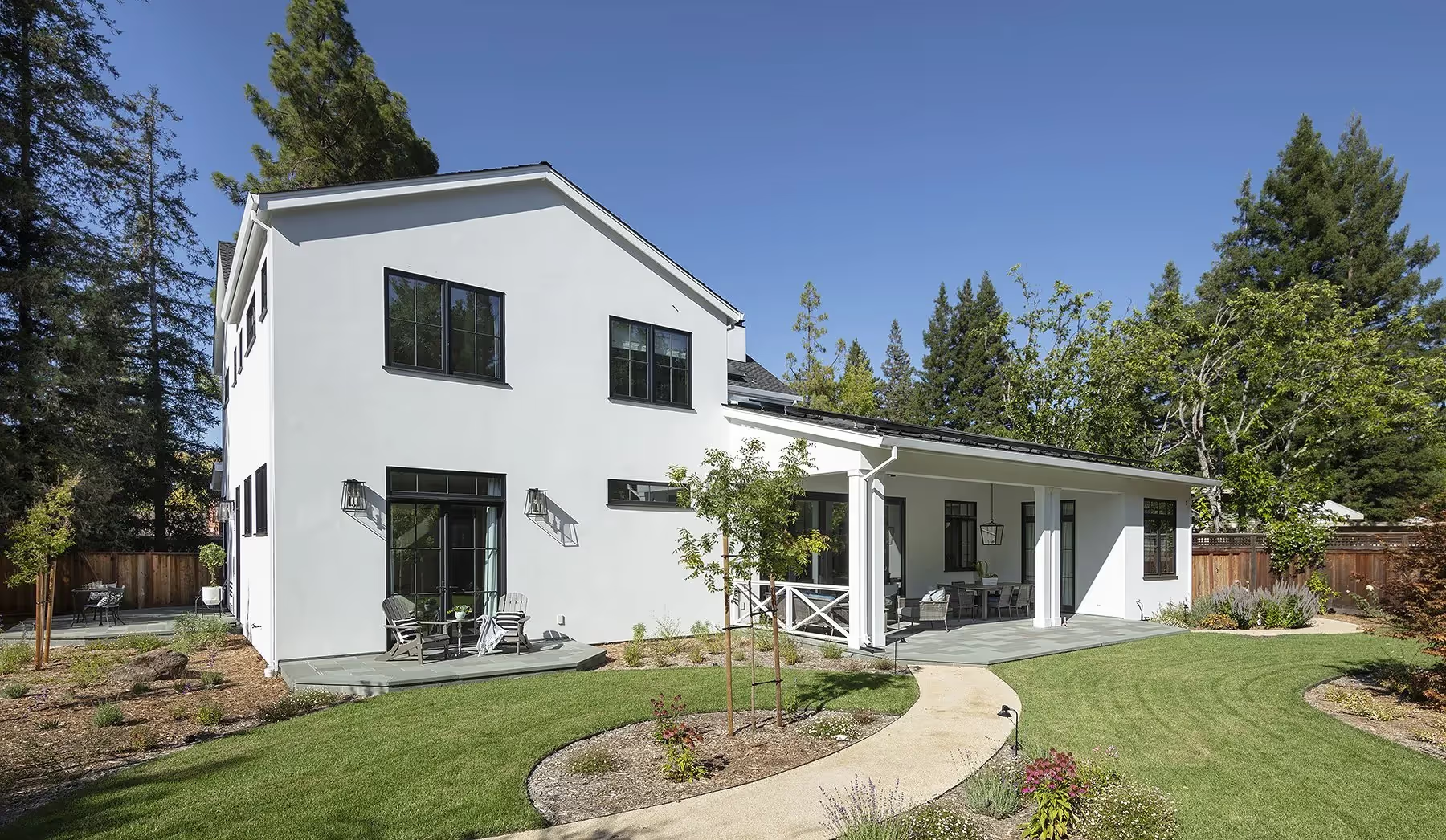
Palo Alto homeowners weighing a luxury renovation against new construction face a decision shaped by lot constraints, existing structure quality, permit complexity, and long-term value goals. Renovation can preserve mature landscaping and neighborhood character, but may trigger costly code upgrades. New construction offers full design control and modern efficiency, but carries higher upfront costs and longer city review timelines on the Peninsula.
Introduction
Most Palo Alto homeowners reach this crossroads after realizing their home no longer fits how they live. The neighborhood is right, the lot has potential, but the house itself is either undersized, dated, or structurally uncertain. The question becomes whether to invest heavily in what's already there or start clean.
Both paths involve serious investment at the luxury level. The difference is in what you're buying: with renovation, you're preserving and transforming; with new construction, you're defining everything from scratch. Neither is universally better. What matters is which one fits your property, your timeline, and your vision.
Key Takeaways
- Palo Alto's zoning, setback rules, and Individual Review (IR) process add complexity and timeline risk to both paths, but especially to new construction on smaller lots.
- A major renovation that exceeds 50% of a home's assessed structural value can trigger requirements that effectively make new construction the more practical option.
- Existing foundation quality, utility capacity, and structural condition are the most overlooked factors in renovation feasibility assessments.
- New construction gives full control over layout, systems, and efficiency, but typically takes 18 to 36 months from permit approval to move-in on the Peninsula.
- Renovation can often preserve mature trees and landscaping, which hold significant appraised and lifestyle value in Palo Alto neighborhoods.
- Working with a builder experienced in Peninsula projects reduces permit surprises and helps you avoid scope creep that erodes budget on either path.
Things You Must Know
1. The 50% Rule Can Force Your Hand
Many homeowners don't realize that once a renovation scope exceeds a certain percentage of the existing structure's value, local building departments may require the entire home to be brought up to current code. In Palo Alto, this can mean seismic retrofitting, full electrical panel upgrades, energy compliance under California Title 24, and accessibility provisions. What began as a kitchen-and-primary-suite project can quickly expand into a near-total rebuild cost, at which point new construction often makes more financial sense.
2. Palo Alto's Permit Timeline Is a Real Variable
Unlike some neighboring cities, Palo Alto has a detailed design review process for projects that exceed certain size or mass thresholds. If your renovation increases square footage or changes roofline and massing significantly, it may enter the Individual Review (IR) track, which adds months to the approval process. New construction almost always triggers this. Building your timeline assumptions around best-case permit scenarios is one of the most common and costly mistakes luxury homeowners make here.
3. Foundation Condition Determines More Than You Think
Many of Palo Alto's desirable neighborhoods contain homes built in the 1950s through 1970s on foundations that were adequate for the original structure but may not support a significantly expanded or redesigned home. A structural engineering assessment early in your planning process can either confirm that your foundation supports your vision or reveal that the cost of reinforcing it narrows the financial gap between renovation and new construction considerably.
---
What Are You Actually Comparing?
Luxury renovation and new construction aren't just different budget categories. They're different types of projects with different risk profiles, timelines, and design outcomes.
A high-end renovation works within the constraints of what exists: the foundation, framing, lot coverage, and structural envelope. A skilled team can do extraordinary work within those constraints, but the constraints are real. New construction removes most of them. You define the floorplan, ceiling heights, structural system, and every detail from the foundation up.
For homeowners drawn to a specific Palo Alto neighborhood but frustrated by the existing home's layout or systems, the real question is often whether the existing structure is an asset worth preserving or a liability that limits what's possible.
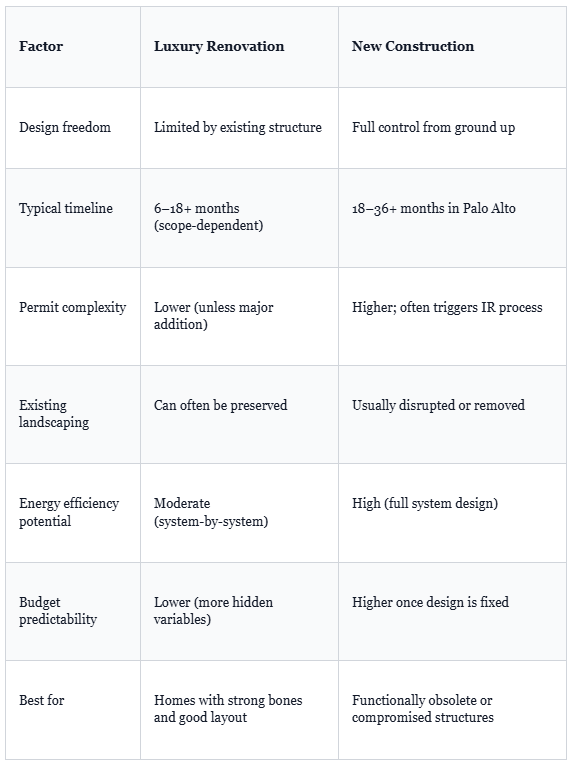
How Do the Two Paths Compare at a Glance?
When Does Renovation Make More Sense?
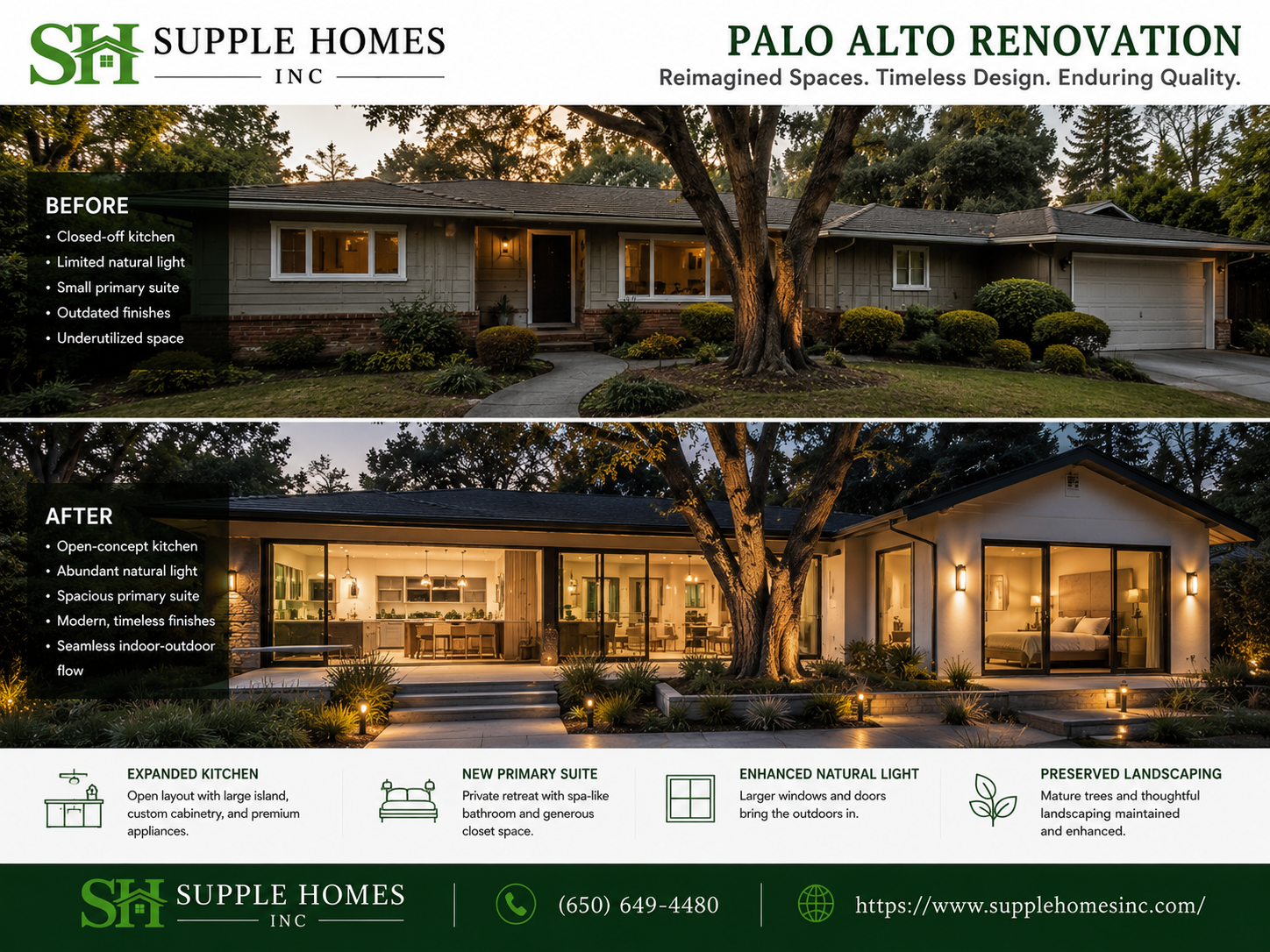
A luxury renovation is often the right answer when the existing home has a fundamentally sound structure, a layout that works with modification, and systems that can be upgraded without rebuilding everything. For many mid-century ranch homes and California ranch-style properties in neighborhoods like Crescent Park or Old Palo Alto, the bones are solid and the lot's character, including established trees and mature plantings, is worth protecting.
Renovation also tends to make sense when you want to stay in the neighborhood but the disruption window matters. A well-scoped renovation with no major additions can move through Palo Alto's building department faster than a complete teardown-rebuild. If your timeline is flexible but not open-ended, renovation can get you into a finished home sooner.
If you're looking at high-performance luxury outcomes on the Peninsula, understanding what a high-performance luxury home on the San Francisco Peninsula actually involves can help you frame what's achievable through renovation versus what requires starting fresh.
When Does New Construction Make More Sense?
New construction starts to make more sense when the existing structure has significant limitations that can't be resolved without costs that approach or exceed what a new build would require. That threshold shows up in a few specific situations.
The first is structural obsolescence. Homes with soft-story garage configurations, inadequate seismic foundations, or outdated framing systems can require extensive remediation under a renovation scope. Once that work is priced, the cost gap with new construction often narrows dramatically.
The second is layout incompatibility. Some homes were built with floorplans that simply don't translate to how luxury buyers want to live today: low ceilings, small window openings, disconnected living spaces, or poor indoor-outdoor flow. A renovation can improve these things, but it can't always solve them without structural intervention that essentially rebuilds the home anyway.
The third is scale. If your vision requires significantly more square footage than the existing structure supports within the lot's allowable building envelope, new construction gives you cleaner control over how that square footage is distributed.
Before committing to a new build, it helps to understand the full scope of the custom home building process from planning through final walkthrough so you can accurately evaluate what you're getting into.
Palo Alto-Specific Considerations That Affect Both Paths
The local regulatory environment shapes both options in ways that homeowners from other markets may not anticipate.
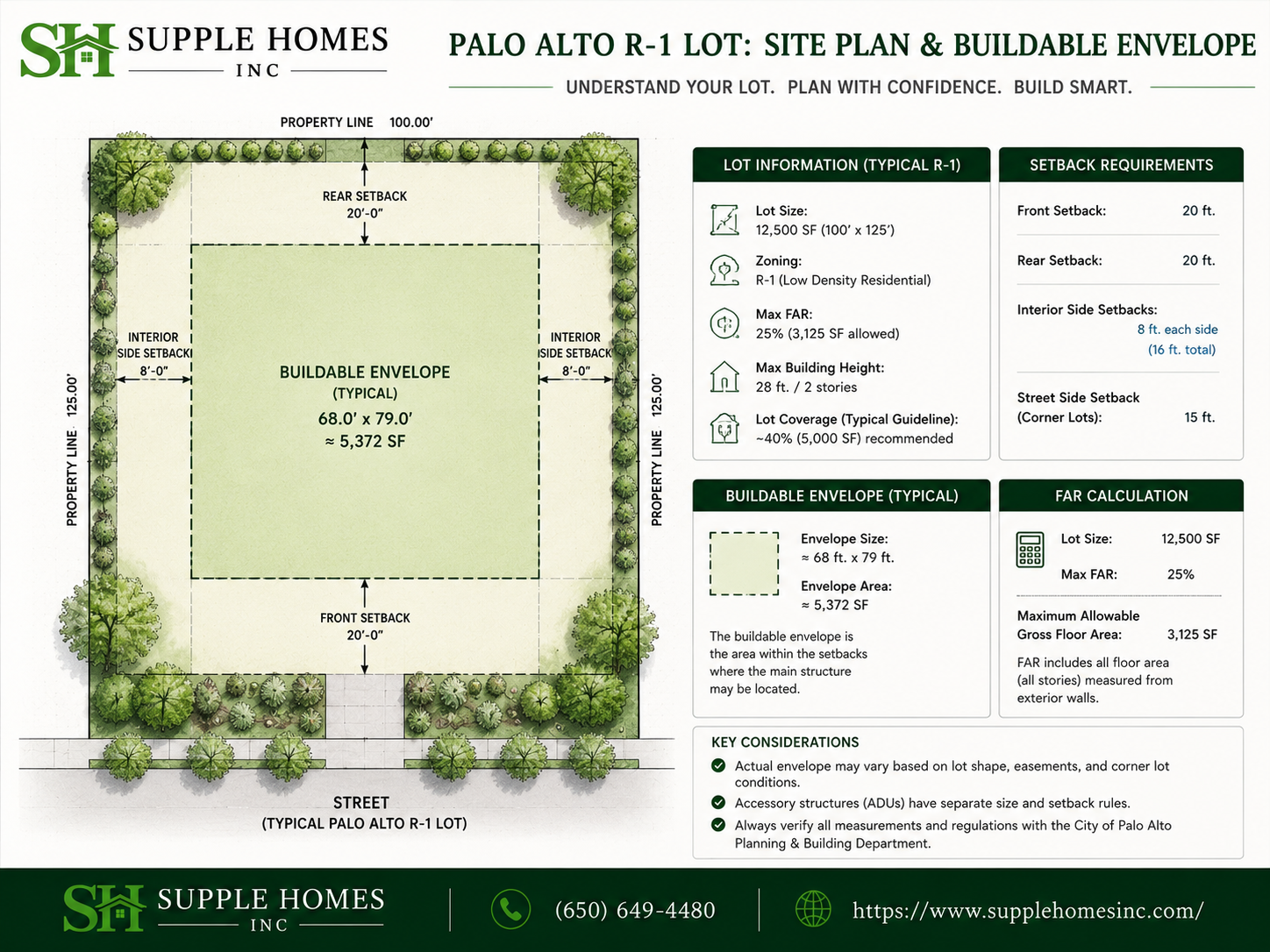
Palo Alto's zoning code places tight restrictions on lot coverage, floor-area ratios, and setbacks. A new construction project that maximizes buildable square footage on a standard R-1 lot requires careful site analysis and often design iteration to stay within allowable limits. Renovation projects that add square footage face the same constraints.
Palo Alto's Individual Review (IR) process is triggered when a project proposes new construction, significant additions, or changes that affect the character of a residential property as defined by the city's zoning ordinance. Projects entering this review track typically add several months to the approval timeline and may require neighborhood notification and design modifications to address compatibility concerns.
Tree preservation is another factor. Palo Alto's tree ordinance protects significant trees and can restrict demolition or site work near protected specimens. New construction on heavily treed lots may require arborist reports, tree protection plans, and in some cases design changes to preserve qualifying trees. Renovation often has an advantage here because it disturbs less of the site.
For homeowners in neighboring communities like Menlo Park also navigating this decision, understanding what to know before building a custom home on the San Francisco Peninsula covers many of the same regulatory dynamics that apply throughout this corridor.
How to Evaluate Your Existing Home Before Deciding
- Commission a structural assessment. Have a licensed structural engineer evaluate the foundation, framing, and any signs of seismic vulnerability or deferred maintenance. This report will directly inform whether renovation is feasible at the scope you're considering.
- Get a zoning and planning review. Before any design work, confirm what your lot's current zoning allows in terms of coverage, height, FAR, and setbacks. Your city planner or a land-use consultant can flag constraints that affect both paths.
- Define your non-negotiables. List the design outcomes you absolutely require: specific room count, ceiling heights, indoor-outdoor connection, ADU potential, or other priorities. If the existing structure can't deliver them, that clarifies the decision quickly.
- Price both paths to the same finish level. A meaningful comparison requires pricing renovation and new construction to equivalent quality and scope. Renovation bids that omit code compliance upgrades or structural work will understate true cost.
- Model the timeline impact. If you're living elsewhere during construction, every additional month has a real cost. Get realistic permit timeline estimates for each path given your specific project scope.
- Assess the lot's asset value independently. In some Palo Alto neighborhoods, the land value itself is high enough that the existing structure's condition matters less than what you can build. A teardown-rebuild may be the most financially rational path even on a property with a livable home.
Cost Factors to Keep in Mind
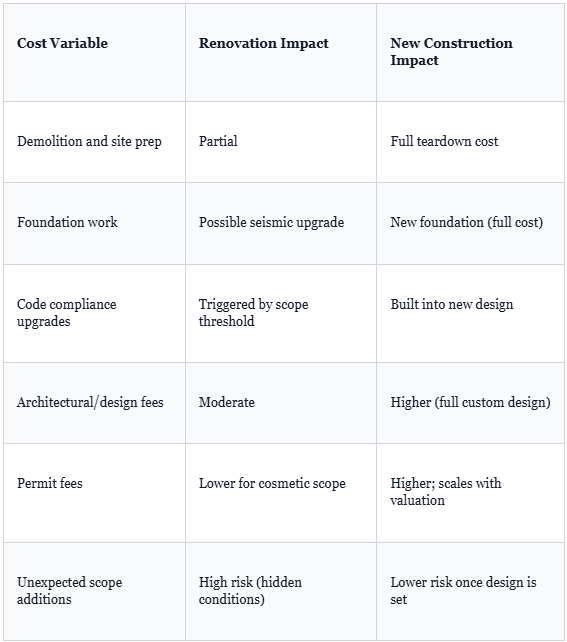
Luxury renovation costs on the San Francisco Peninsula typically range from $400 to $900 per square foot depending on the scope, structural complexity, and finish level. New custom construction in the same market commonly ranges from $700 to $1,200+ per square foot or more for high-specification projects. These figures can vary significantly based on current labor costs, material lead times, and site conditions.
Common Mistakes to Avoid
- Pricing renovation at cosmetic scope when the project is structural. Many homeowners get early budget estimates based on finish work without factoring in the seismic, electrical, and code compliance work that gets triggered once walls open up.
- Underestimating Palo Alto permit timelines. Both renovation additions and new construction in Palo Alto can take longer than expected to clear the city's review process, especially when projects enter the Individual Review track.
- Choosing renovation to save time, then expanding scope mid-project. Scope creep in renovation projects is extremely common. Adding square footage or systems mid-construction disrupts sequencing and often costs more than if those items had been included in the original plan.
- Skipping the structural engineering assessment. The foundation and framing condition of older Palo Alto homes varies widely. Proceeding without that information means bidding blind on one of the most significant variables in the project.
- Not modeling resale value under both scenarios. In some cases, a thoughtfully executed renovation produces a home that commands comparable market value to new construction. In others, buyers in the Palo Alto luxury market distinctly prefer new builds. Knowing which dynamic applies to your specific neighborhood matters.
Scope creep is cited as one of the leading causes of renovation budget overruns, with studies across the remodeling industry suggesting a significant percentage of major home renovation projects exceed their initial budget by 20% or more. In high-cost markets like Palo Alto, where labor and material costs are above national averages, the financial impact of unplanned scope additions is amplified.
Nearby Communities Facing the Same Decision
This decision is common across the Peninsula. Homeowners in Menlo Park, Atherton, Los Altos, and Mountain View often face the same crossroads, with each city having its own zoning rules, review processes, and neighborhood character considerations. If you're evaluating a builder for either path, understanding how to choose a custom home builder in Menlo Park outlines the evaluation criteria that apply across this region, whether you're in Palo Alto or a neighboring community.
The Silicon Valley luxury residential market, encompassing Palo Alto, Menlo Park, Atherton, and Los Altos Hills, consistently ranks among the highest-priced residential markets in the United States, with median home prices in some neighborhoods exceeding $4 million. At these price points, construction decisions that affect resale value, livability, and permit risk carry outsized financial consequences.
Frequently Asked Questions
What are the typical costs for Palo Alto luxury renovations vs. new builds?
Costs vary considerably based on scope, site conditions, and finish level, so any figures should be treated as broad reference ranges rather than firm estimates. A major luxury renovation in Palo Alto often starts at several hundred dollars per square foot and can climb significantly when structural work and code compliance upgrades are included. New custom construction in this market generally runs higher per square foot, but the total project budget depends heavily on the size and specification of the home. Getting parallel bids for both options at the same finish standard is the only reliable way to compare them for your specific project.
How long do these projects take to complete from start to finish?
Project timelines vary depending on the scope of work, permitting status, design complexity, site conditions, material selections, and city review requirements. For the types of luxury renovations, additions, and custom home builds we take on, the process is typically planned in phases rather than treated as a quick remodel.
If permits and finalized plans are already in place, the project can move more efficiently into construction. If the project is still in design, engineering, or permitting, the overall timeline may be longer.
New construction in Palo Alto often requires additional planning because the permitting process can involve multiple rounds of city review, and the construction sequence builds from the ground up. From initial design through final occupancy, larger custom homes and complex renovations should be approached with a realistic planning window, especially when architectural details, structural work, or extended permit review are involved.
Will I trigger Palo Alto's Individual Review (IR) process?
Projects that involve new construction, significant additions, or changes that substantially alter a home's mass or character within Palo Alto's residential zones generally trigger the Individual Review process. This applies to most new builds and to many addition-heavy renovations. The IR process typically adds months to approval timelines and may require neighborhood notification. Consulting with the city's planning department or a local land-use advisor before finalizing your project scope can help you understand whether IR applies and what it involves.
What is the "50-60% Rule" in home remodeling?
This refers to a threshold used in various building codes and jurisdictions where renovation work that exceeds a set percentage of the existing structure's assessed or replacement value triggers full code compliance requirements for the entire building. In practice, this means a homeowner who intended a partial renovation may be required to complete seismic upgrades, electrical panel replacement, energy code compliance, and other work that wasn't in the original scope. The specific threshold and what it triggers can vary by jurisdiction and project type, so confirming how it applies to your Palo Alto property with a licensed contractor or permit consultant is strongly recommended before committing to a budget.
How do I decide if my existing foundation can support a remodel?
The only reliable answer to this question comes from a licensed structural engineer who has physically assessed the foundation. Visual inspection during a standard home inspection is not sufficient for this determination. The engineer will evaluate the foundation type, condition, depth, reinforcement, and its adequacy for the loads the proposed renovation would add. If the foundation requires significant reinforcement or replacement, that cost should be priced into the renovation budget before comparing it to new construction, since a new build includes a code-compliant foundation in its base cost.
Ready to Explore Your Options in Palo Alto?
Choosing between renovation and new construction is one of the most consequential decisions a luxury homeowner can make, and the right answer depends on factors that are specific to your property, your vision, and the current local regulatory environment. Getting clear, experienced guidance early in the process helps you avoid the costly mistakes that come from proceeding without full information.
Supple Homes Inc. works with homeowners across Palo Alto and the Peninsula to evaluate exactly this kind of decision with clarity and precision. Whether you're leaning toward a high-end renovation or considering a full custom build, the team can help you understand what's feasible on your specific lot, what the permit timeline looks like, and how to structure a project that delivers the outcome you're after.
To start that conversation, call Supple Homes Inc. at (650) 649-4480.