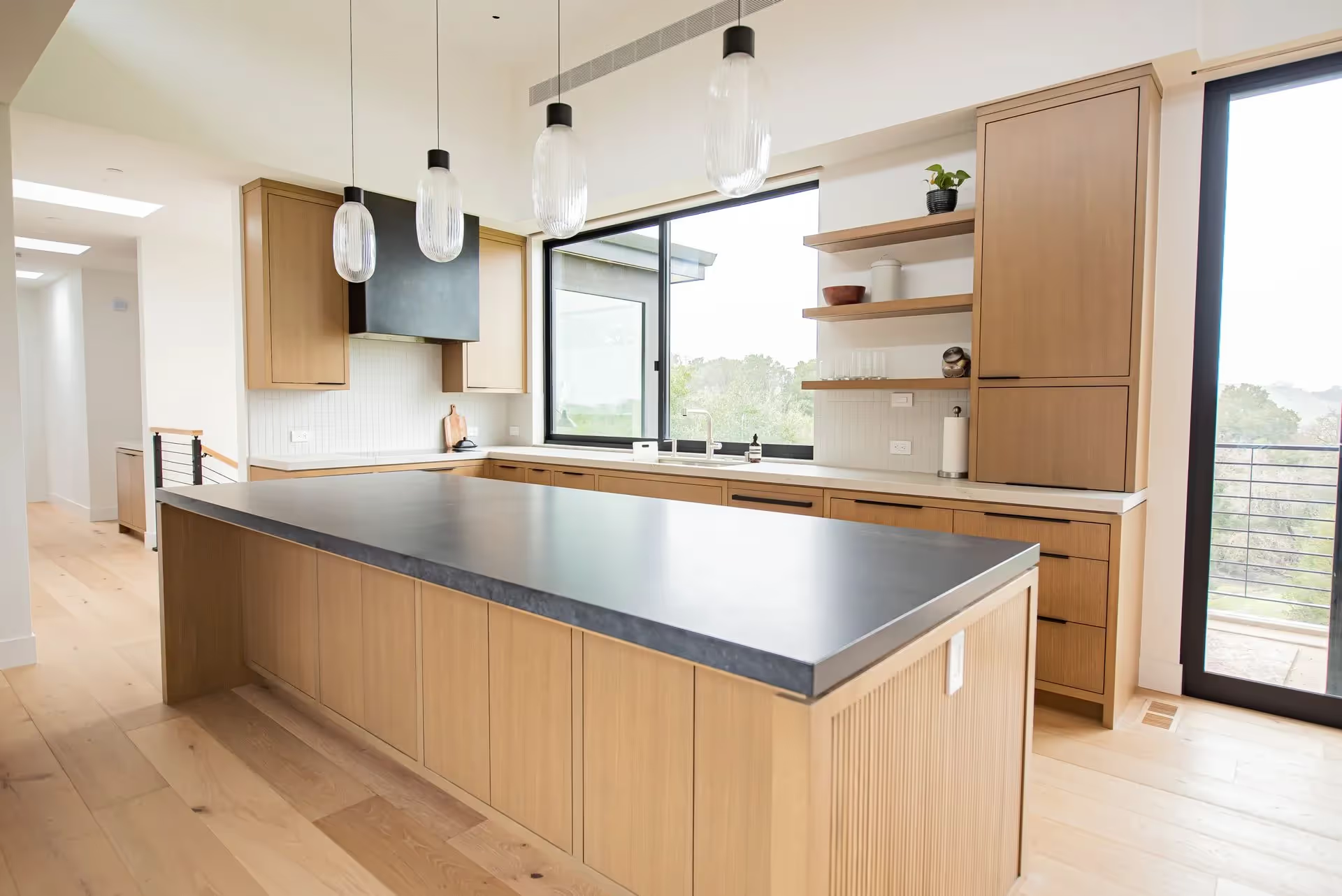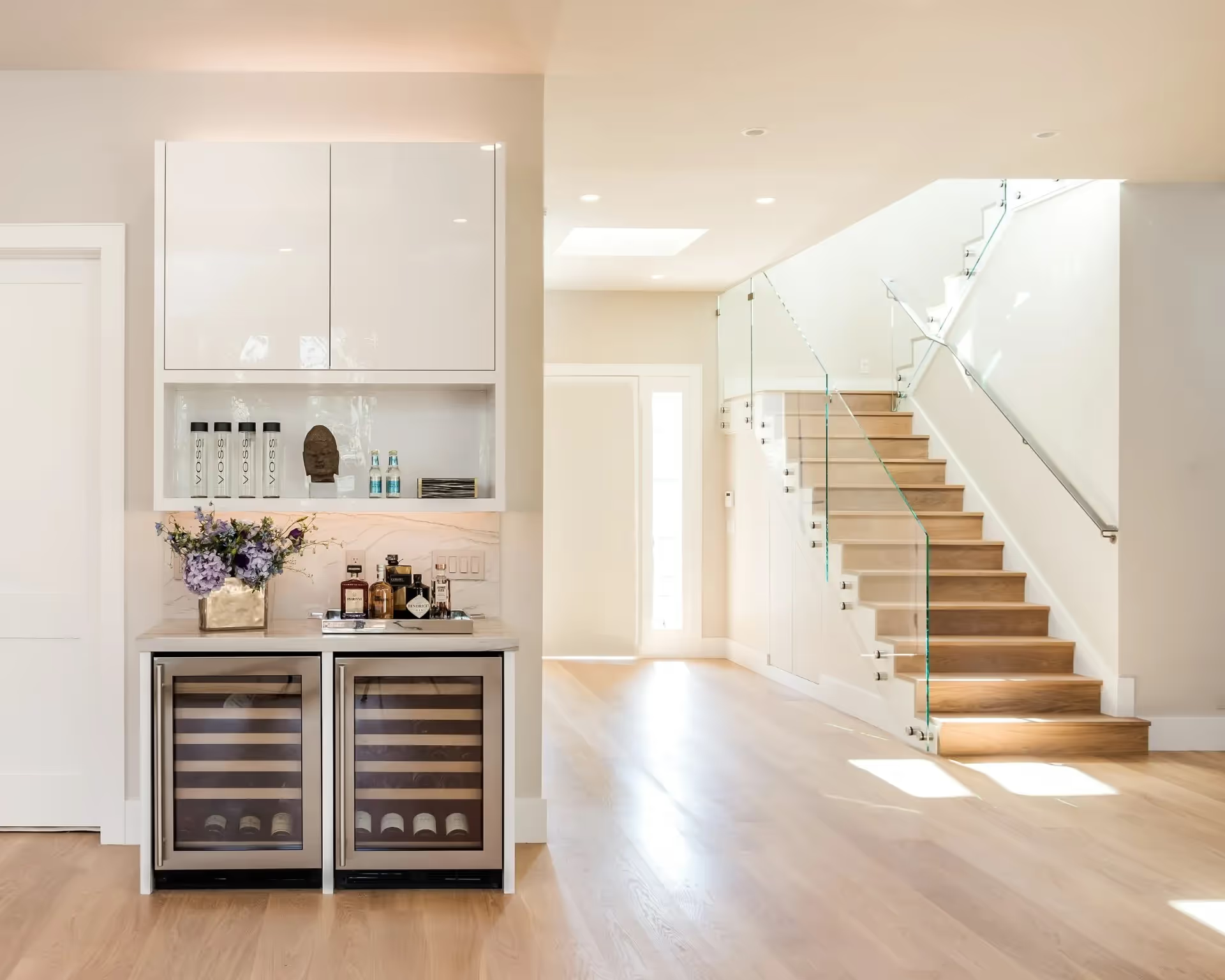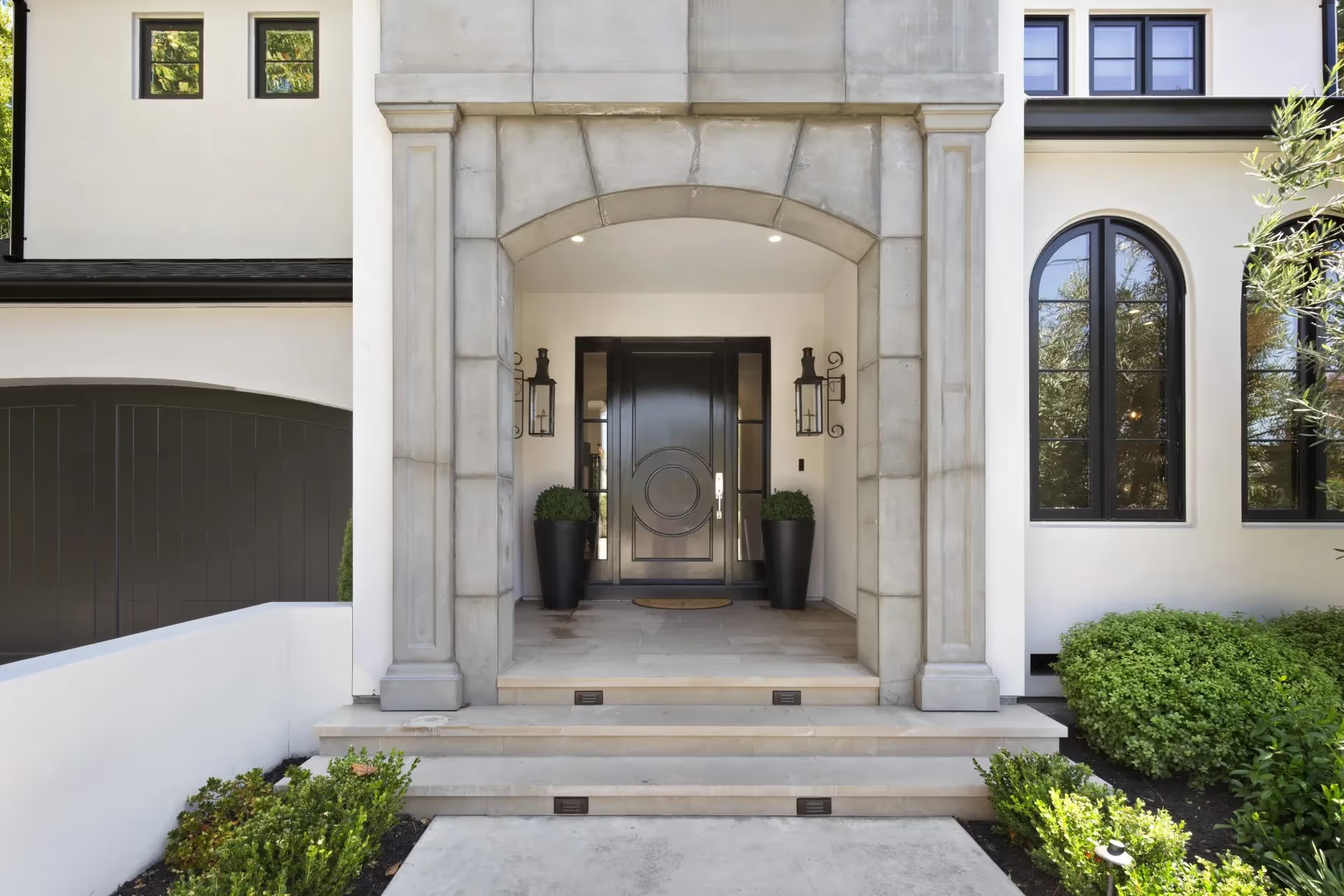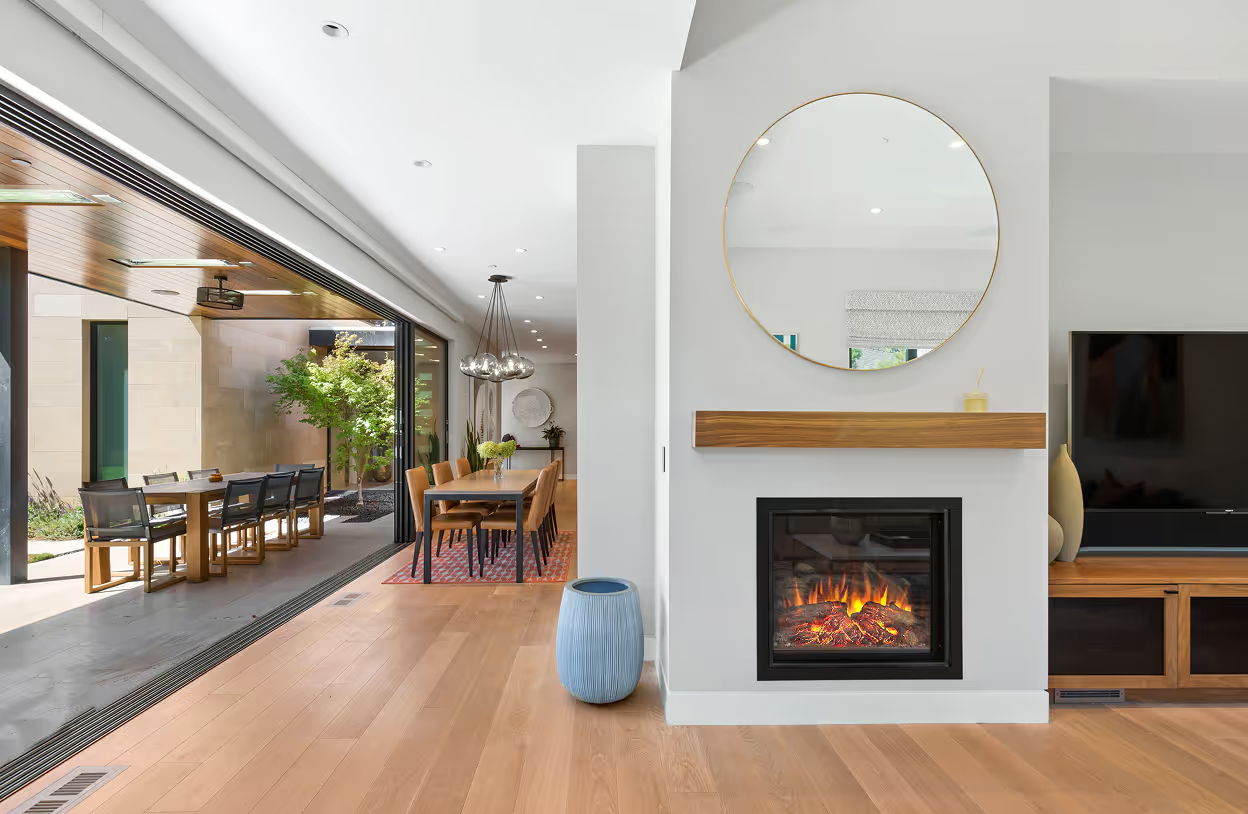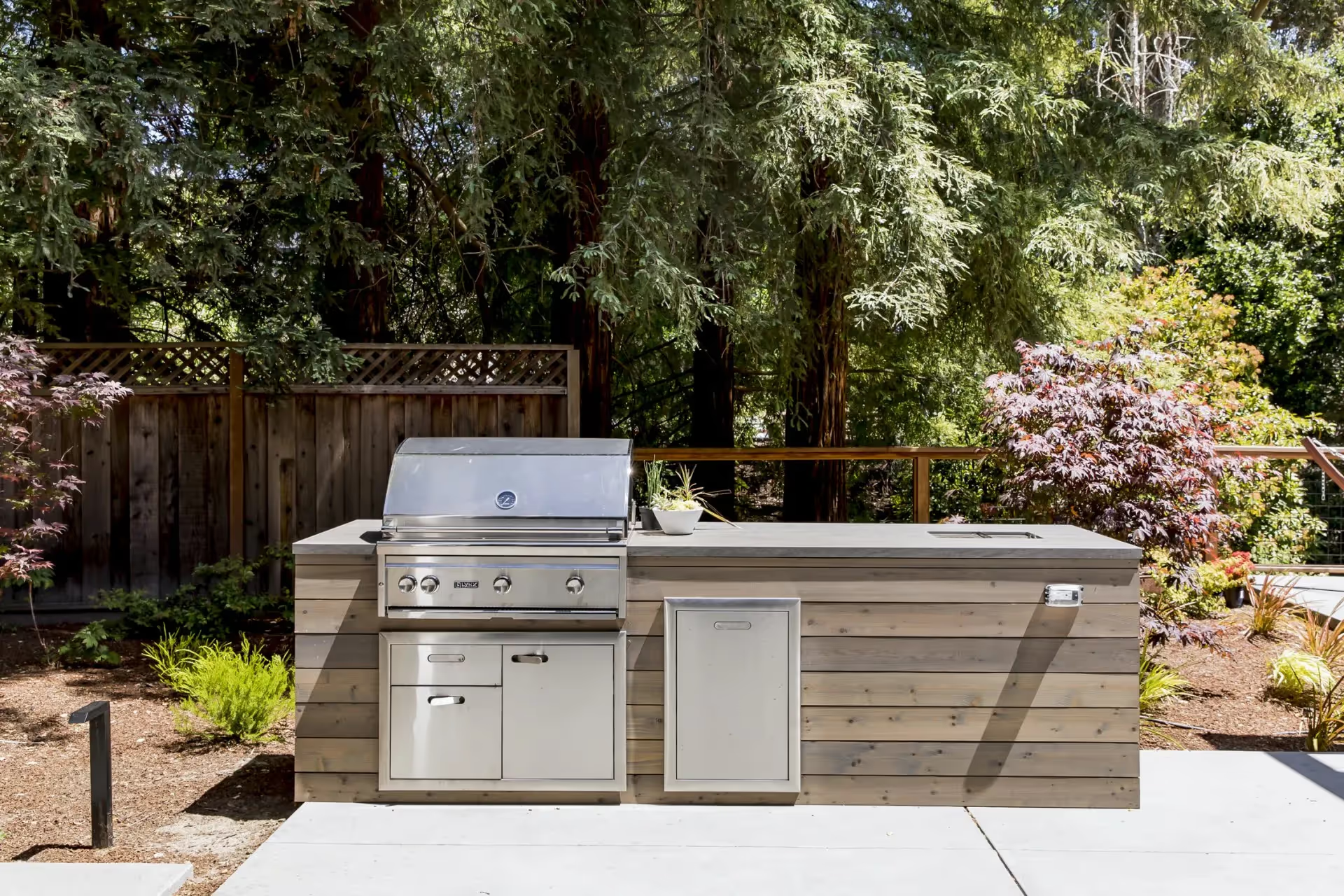
Choosing a custom home builder in Menlo Park requires evaluating local experience, transparency in communication, and a clear process from design through construction. The right builder understands San Francisco Peninsula housing expectations, zoning considerations, and the level of craftsmanship that Menlo Park homeowners typically require. Asking the right questions early protects your investment and sets realistic expectations.
Building a custom home is one of the most significant decisions you'll make as a homeowner. In a market like Menlo Park, where properties carry substantial value and design standards are high, the builder you choose has a lasting impact on both the quality of your home and the experience of building it. This guide walks you through exactly what to evaluate before signing a contract.
Key Takeaways
- Local experience matters: builders familiar with Menlo Park's permit process and zoning requirements can prevent costly delays.
- Transparency in pricing and change orders is one of the clearest signs of a trustworthy builder.
- Reviewing past projects and speaking directly to former clients gives you a far more accurate picture than brochures or websites.
- A structured communication process during construction reduces surprises and keeps the project moving on schedule.
- Design flexibility and how a builder handles mid-project changes reveals a lot about their professionalism.
- The right builder should feel like a collaborative partner, not just a contractor.
Things You Must Know
1. Local Permitting Experience Can Make or Break Your Timeline
Menlo Park falls under San Mateo County jurisdiction for many permit processes, and local codes around grading, setbacks, and energy compliance can be detailed. A builder who has worked extensively in this area will already understand what the city expects in permit applications, which can significantly reduce back-and-forth delays. If a builder is vague about their experience with local permitting, that's worth probing before you commit.
2. Low Bids Often Reflect Incomplete Scopes
When comparing initial estimates, a noticeably lower bid doesn't always mean a better deal. In many cases, it means certain items weren't included, such as site preparation, utility connections, or finish-level allowances. A detailed scope of work is what makes bids comparable. Ask each builder to walk you through exactly what their estimate does and does not cover before drawing any conclusions.
3. Communication Style Affects More Than Convenience
How a builder communicates during the sales process usually reflects how they'll communicate once construction starts. If responses are slow, vague, or deflective before you've signed anything, that pattern tends to continue. Look for a builder who gives you a named point of contact, explains their update schedule, and is direct about how decisions get made when unexpected issues arise.

What Makes the Menlo Park Market Different for Custom Home Building?
Menlo Park sits in one of the most competitive real estate markets in the country. Land values are high, neighboring properties are often architecturally detailed, and buyer expectations for finishes and design quality reflect the surrounding market. A builder who works primarily in lower-cost markets may underestimate what's required here, both in craftsmanship standards and in the complexity of coordinating with local inspectors, designers, and subcontractors.
The Peninsula's climate also plays a role. Mild temperatures year-round are a building advantage, but proximity to the Bay means moisture management matters in both framing and finishing decisions. Builders experienced on the Peninsula understand these nuances without needing to be taught them on your project.
If you're exploring what high-performance construction looks like in this region, understanding the expectations for high-performance luxury homes on the San Francisco Peninsula is a useful starting point.
How Do You Evaluate a Builder's Local Experience?
The most direct approach is to ask for a list of completed projects within Menlo Park or nearby cities like Atherton, Palo Alto, or Portola Valley. Then ask to visit at least one or two of those homes and, when possible, speak with the homeowner directly. A confident builder with a strong track record will welcome these conversations.
Beyond portfolio review, ask specifically about:
- Which local subcontractors they work with regularly
- Their familiarity with city planning departments along the Peninsula
- Whether they've worked with your preferred architect, or are comfortable with architect-led projects
- How they handle soil or site conditions common to the area
Custom home projects in high-cost California markets like San Mateo County typically involve longer permitting timelines than national averages, with some projects waiting several months from application to groundbreaking depending on project complexity and local department workload.
What Should the Builder's Process Look Like?
A credible custom home builder will have a defined process that covers every phase from initial design consultation through final walkthrough. If a builder can't clearly explain their process, or gives you different answers each time you ask, that inconsistency tends to surface again during construction.
A well-structured custom home build generally follows these phases:
- Initial Consultation and Site Assessment: The builder reviews your goals, budget range, lot conditions, and any existing plans or architect relationships.
- Design and Pre-Construction Planning: This stage is typically handled by the architect or design team. They develop the design, coordinate structural and engineering requirements, and prepare the documentation needed for permitting. Our role is to review the available plans from a construction perspective and help identify practical build considerations before work begins.
- Permitting and Approvals: The permitting process is generally managed by the architect, designer, or property owner before construction starts. Many clients contact us once their permits are already approved or while they are in the middle of the permit process. Once permits are ready, we help move the project into the construction planning and building phase.
- Construction: Foundation through framing, mechanical rough-ins, insulation, drywall, and finish work are completed in coordinated phases with scheduled inspections.
- Final Inspections and Walkthrough: The builder walks you through the completed home, addresses punch-list items, and ensures all systems are functioning and inspected.
For a more detailed breakdown of what each phase involves, reviewing a builder's approach to the custom home building process from planning to final walkthrough gives you a clear picture of what to expect at every stage.
How Should Cost Estimates and Change Orders Be Handled?
Pricing transparency is one of the most important factors to evaluate before choosing a builder. A trustworthy builder will provide a detailed estimate that breaks down costs by category, not just a single lump-sum number. This allows you to understand where your money is going and make informed trade-offs if adjustments are needed.
Change orders are among the most common sources of budget overruns on custom home projects. Industry data suggests that scope changes and unforeseen site conditions account for a significant portion of final costs exceeding original estimates, particularly on complex or highly customized builds.
Ask every builder you're evaluating:
- How are change orders documented and priced?
- What is your process if unforeseen site conditions are discovered?
- Are allowances included in the estimate, and at what dollar levels?
- What triggers a price revision versus what is absorbed into the original contract?
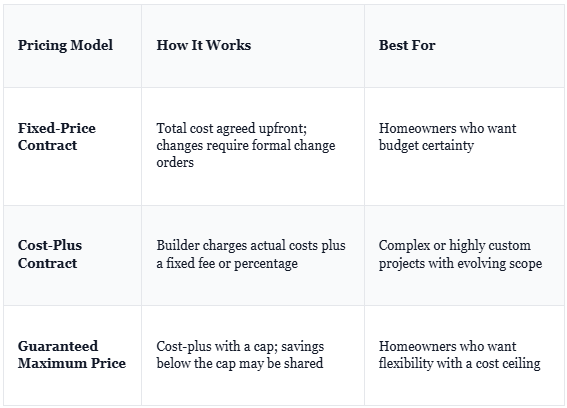
What Questions Should You Ask a Prospective Builder?
Beyond reviewing portfolios and checking references, a direct conversation reveals a great deal about whether a builder is the right fit. The questions below are designed to surface how a builder actually operates, not just how they present themselves.
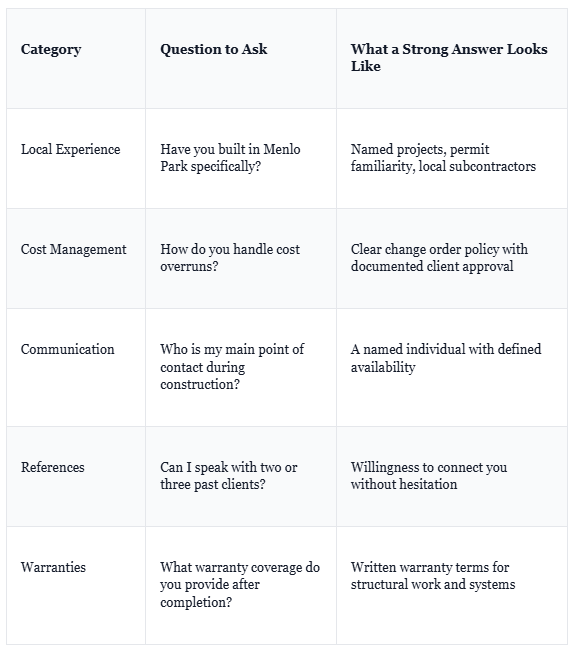
Common Mistakes Homeowners Make When Choosing a Builder
- Choosing solely on price: A lower bid is appealing, but it often reflects a stripped-down scope or less experienced subcontractors. Compare bids line by line, not just by the total.
- Skipping reference calls: Online reviews give a partial picture. Speaking directly with past clients about communication, budget accuracy, and post-completion support is far more informative.
- Not confirming licensing and insurance: In California, contractors must hold a valid CSLB license. Always verify this independently before signing any agreement.
- Overlooking the design-build fit: If you have a specific architect, confirm early that your builder has experience working in that relationship. Friction between builder and architect creates delays.
- Underestimating how much decisions you'll need to make: Custom homes require hundreds of selections from your side. A builder who doesn't prepare you for this process can create timeline pressure you didn't expect.
California's Contractors State License Board (CSLB) reports that unlicensed contractor complaints represent a meaningful share of consumer construction disputes filed annually in the state, reinforcing why independent license verification matters before signing any residential construction agreement.
If you're in the early stages of planning and want a clear picture of what to prepare for, reviewing what to know before building a custom home on the San Francisco Peninsula can help you go into builder conversations with the right foundation. You can find that overview at what to know before building a custom home on the San Francisco Peninsula.
How Does Builder Selection Differ for Luxury or High-Performance Homes?
In Menlo Park, many custom builds fall into the higher end of the residential market. At this level, the builder's ability to coordinate complex systems (smart home integration, high-efficiency HVAC, premium structural systems) becomes just as important as their general construction competence.
High-performance home construction, which incorporates energy-efficient building envelopes, advanced mechanical systems, and sustainable materials, has grown significantly in California as Title 24 energy standards have become more stringent, requiring builders to stay current with evolving compliance requirements.
Ask specifically about their experience with the finishes, systems, and certifications relevant to your project. A builder who handles entry-level production homes will have a very different subcontractor network than one who regularly works on detailed custom builds in this price range.
Frequently Asked Questions
Does the builder have specific experience in Menlo Park?
This is one of the most important questions you can ask. A builder who has completed projects in Menlo Park will already be familiar with the city's planning department, typical permit timelines, and neighborhood-specific design expectations. Ask for project addresses you can verify and, when possible, drive by completed homes to assess the quality firsthand.
How are design changes and unexpected costs managed?
Every builder should have a formal change order process that requires your written approval before any additional cost is incurred. Ask to see a sample change order from a past project. The process should be clear, documented, and never rely on verbal agreements. Unexpected site conditions, such as soil issues or existing utility conflicts, should also be addressed in the contract with a defined protocol for how they're handled and priced.
What is the builder's process for cost estimates?
A reliable estimate breaks down costs by category: site work, foundation, framing, mechanical systems, finishes, and so on. Builders who provide only a per-square-foot figure without line-item detail make it difficult to compare bids or understand where money is allocated. Ask about the level of specificity in the estimate and how allowances are set for items like flooring, cabinetry, and fixtures.
Can I tour past projects and speak to previous clients?
Yes, and you should always ask. A builder with a strong portfolio should be able to arrange visits to completed homes and provide references without hesitation. When speaking with past clients, ask specifically about how the builder handled problems that came up during construction, not just whether the project turned out well. How a builder responds to challenges tells you more than how they perform when everything goes smoothly.
What does the communication flow look like during construction?
You should know from day one who your primary contact is, how often you'll receive updates, what format those updates take (site visits, written reports, project management software), and how quickly urgent issues are escalated to you. Builders who don't have a defined answer to this question often create frustration for homeowners who feel out of the loop during a months-long project. Clarity here is a good sign of overall organizational quality.
Ready to Build in Menlo Park? Here's Your Next Step
Choosing the right custom home builder takes time, but the right process protects everything you're investing. Start with local experience, ask direct questions about cost and communication, and always speak with past clients before making a decision.
Supple Homes Inc. works with homeowners throughout Menlo Park and the broader San Francisco Peninsula, bringing a structured process, transparent communication, and craftsmanship aligned with the standards this market demands.
To discuss your project or ask questions before you commit to anything, contact Supple Homes Inc. directly at (650) 649-4480. The earlier you start the conversation, the better prepared you'll be for every decision ahead.