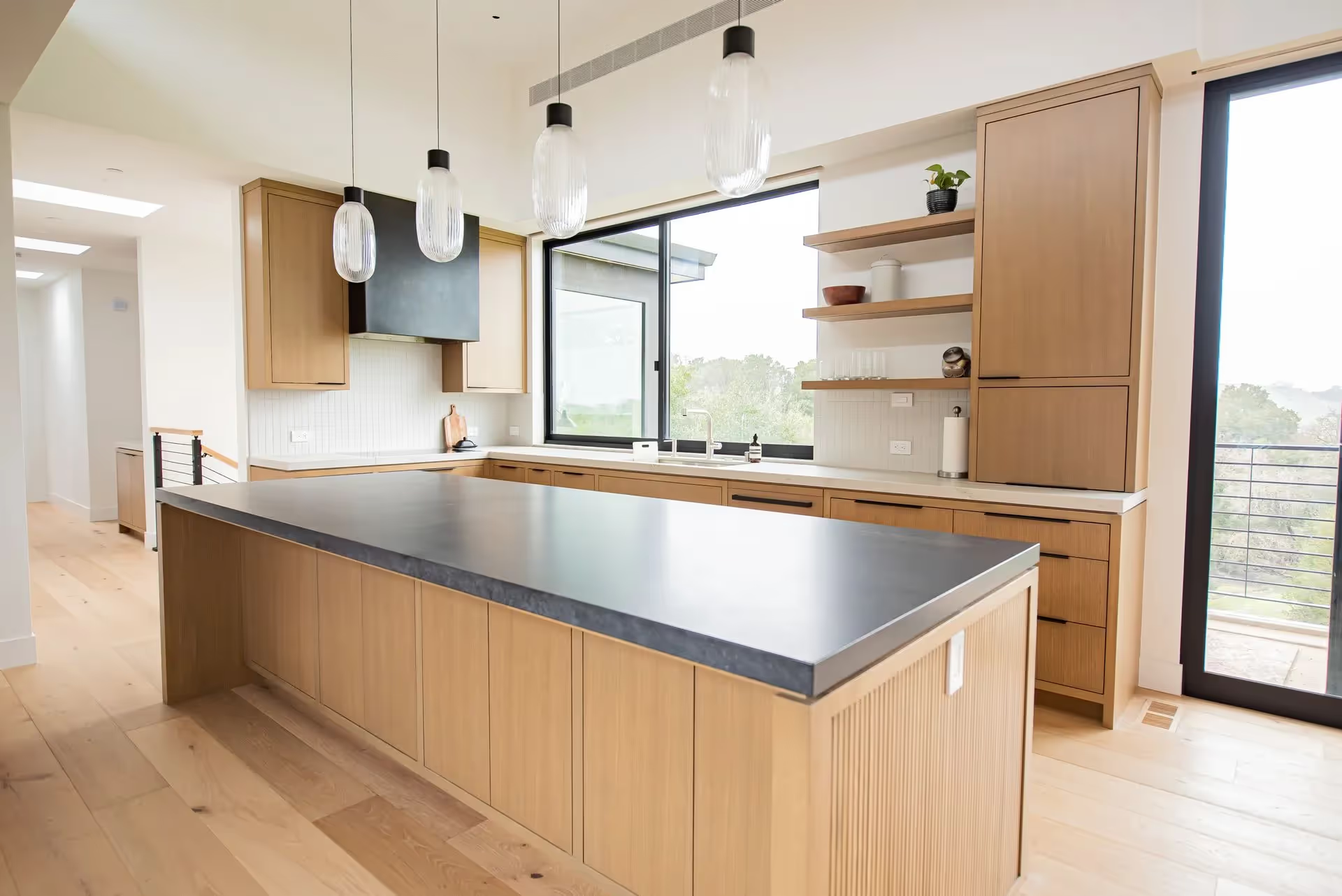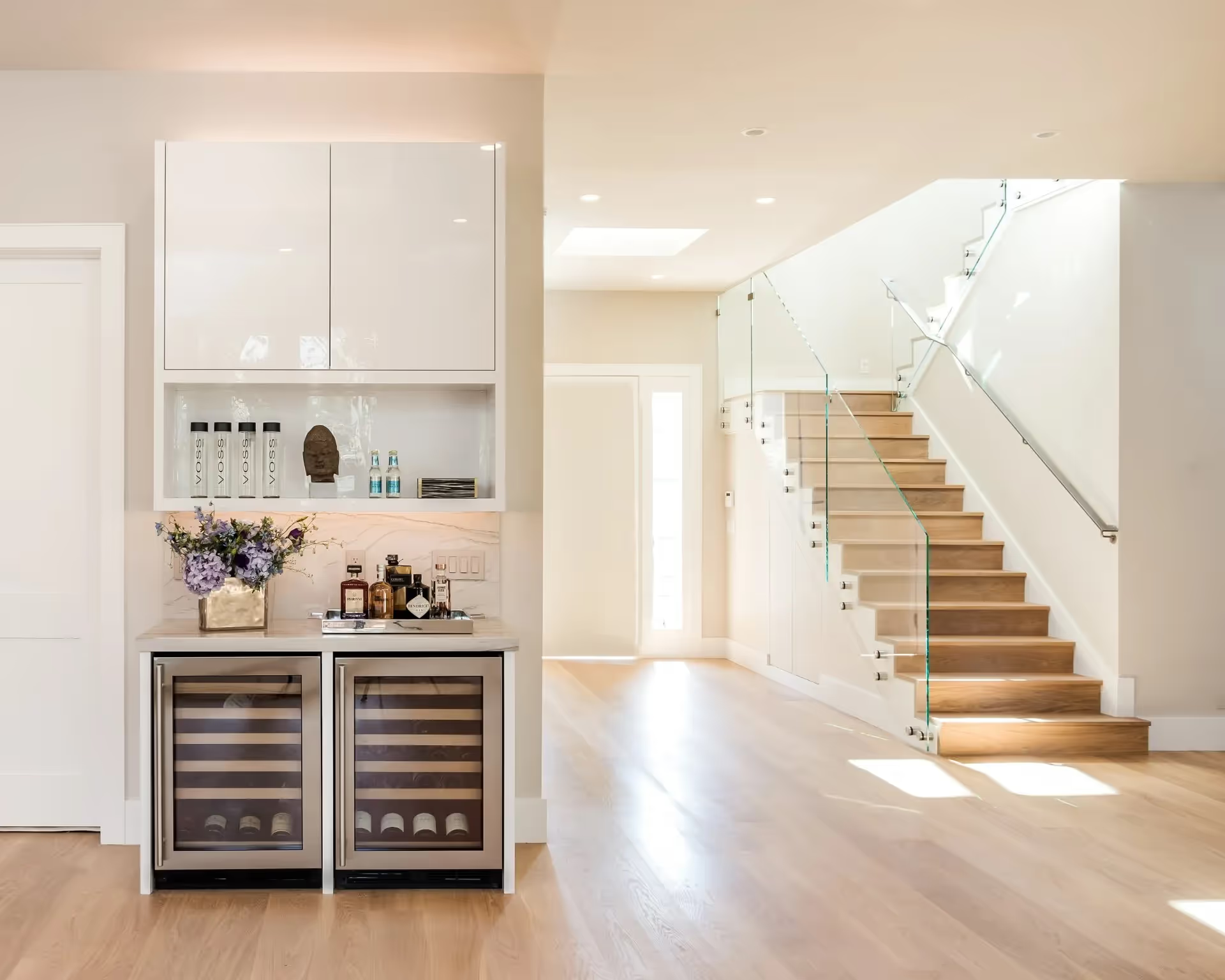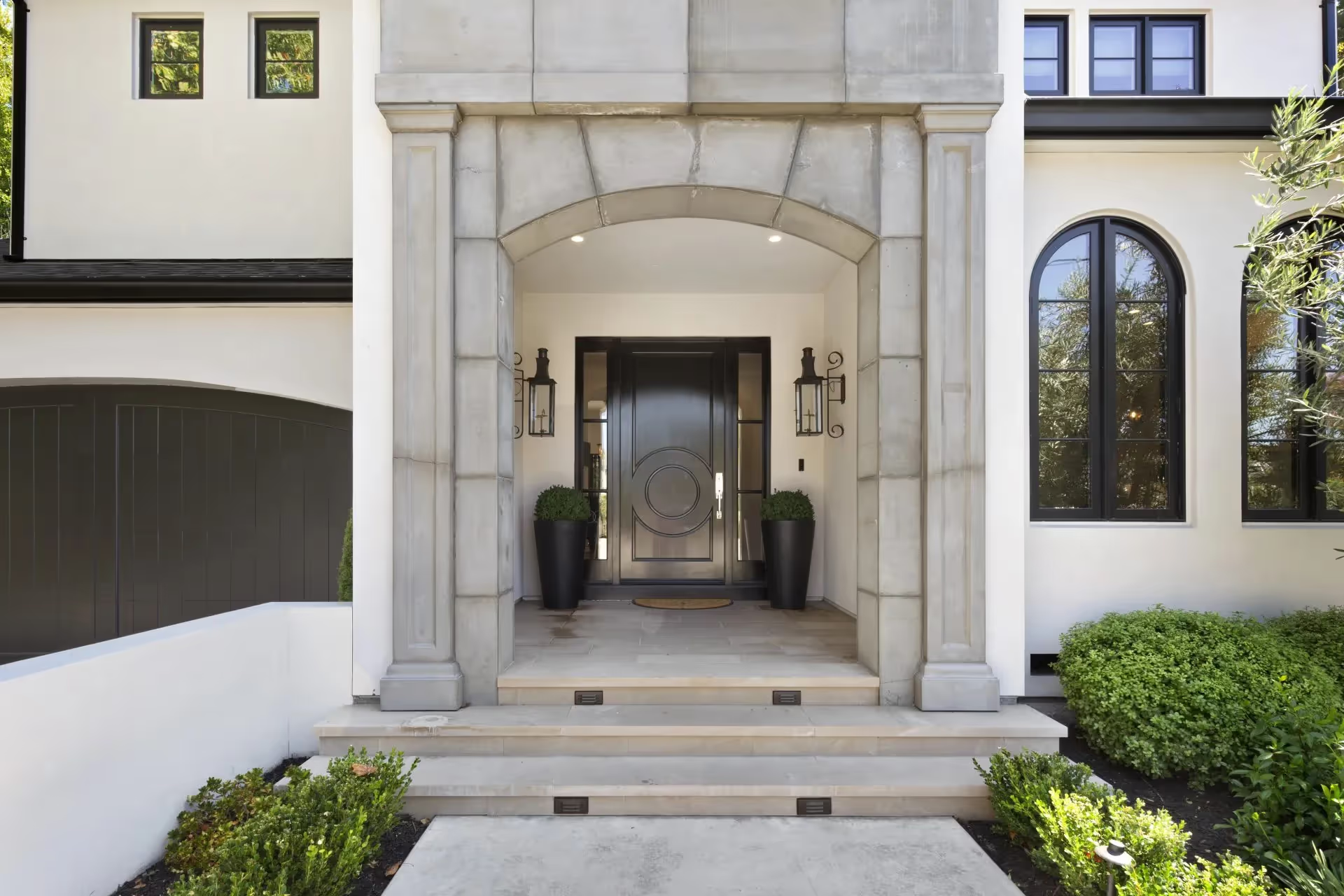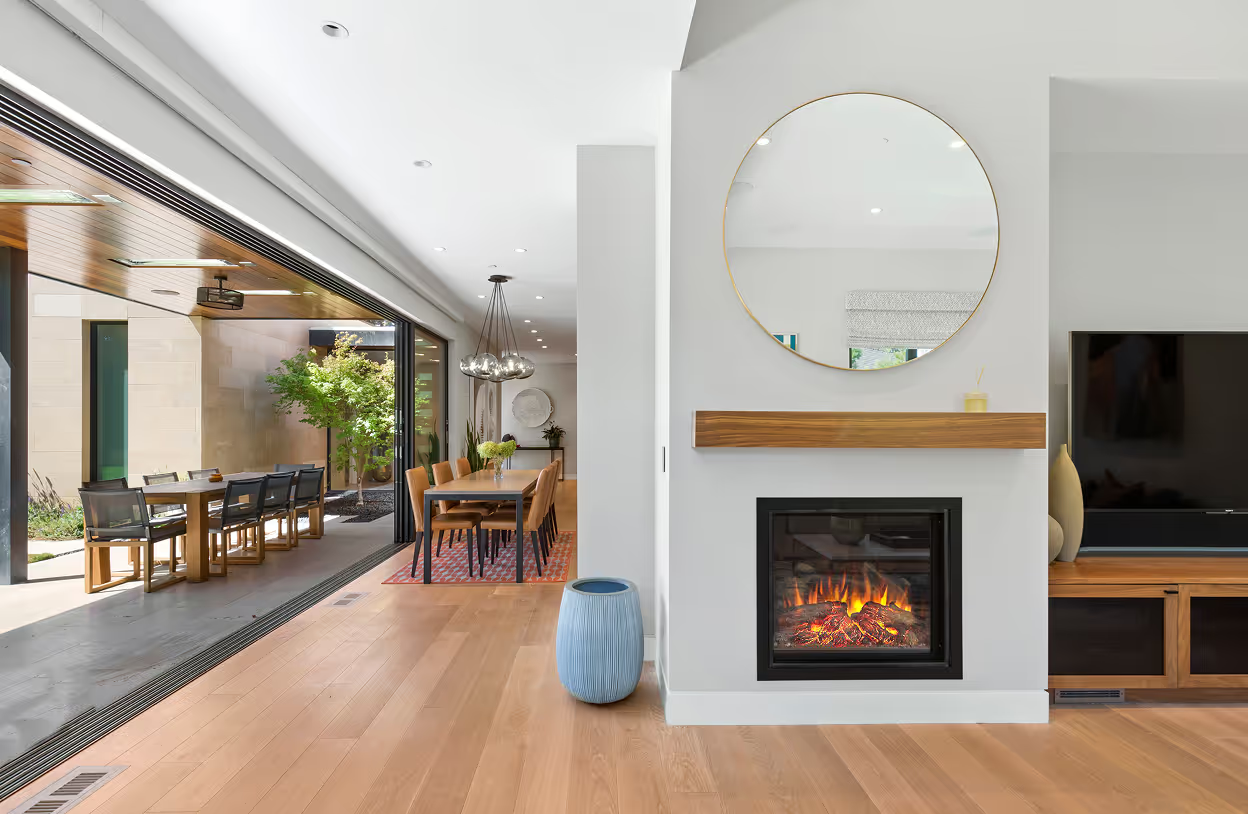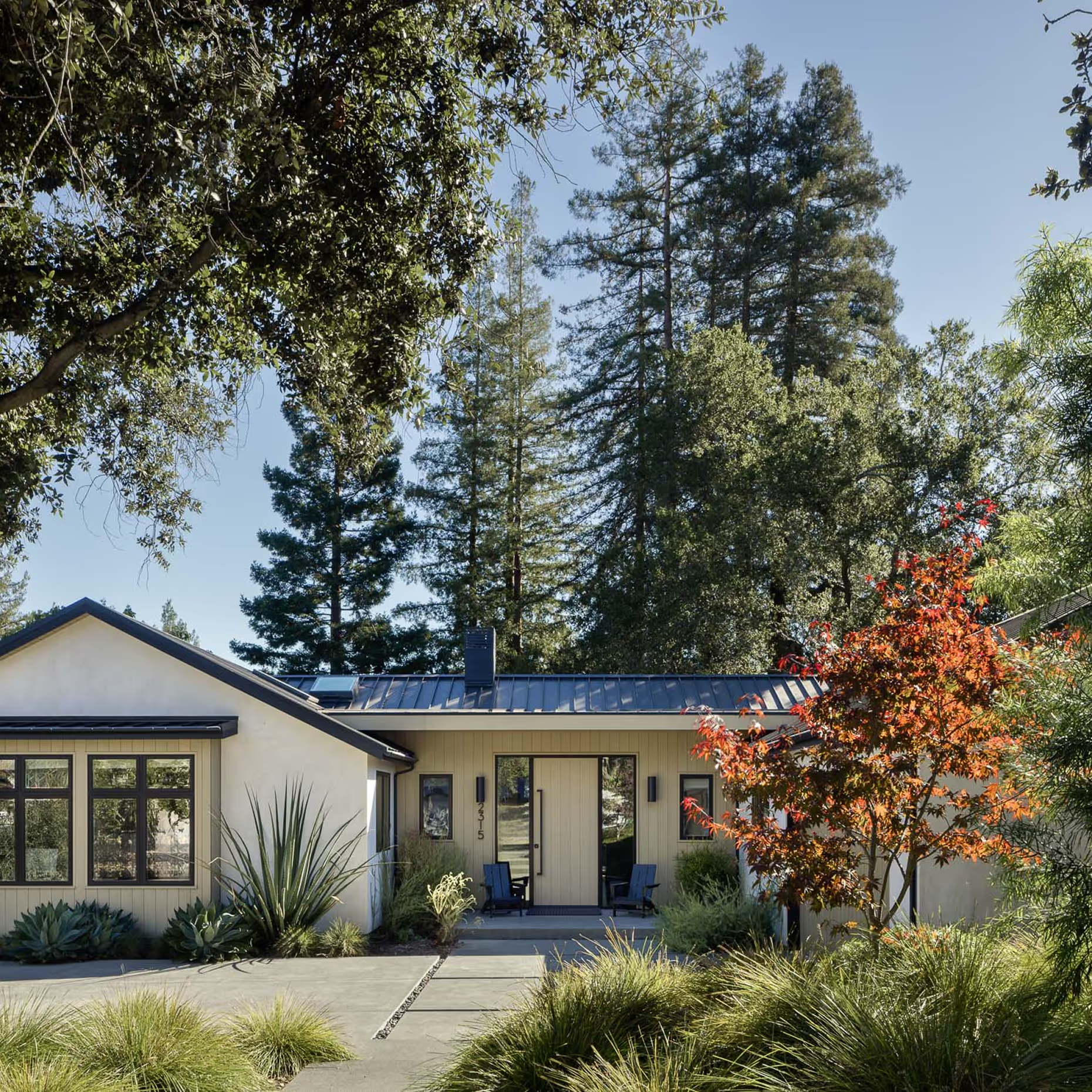
Building a custom home in Silicon Valley is one of the most complex and expensive construction projects a homeowner can undertake. The most common mistakes involve underestimating total costs, rushing the design phase, and choosing the wrong builder. Understanding these pitfalls before breaking ground can save you hundreds of thousands of dollars and years of frustration.
Silicon Valley's custom home market operates differently from anywhere else in the country. Land values in Los Altos Hills, Saratoga, and Atherton routinely exceed $2 million before a single foundation is poured. The permitting environment is among the most demanding in California, and local labor costs reflect the region's cost of living in every line item. Homeowners who treat this process like a standard renovation quickly discover it is something else entirely.
Key Takeaways
- Underestimating the true all-in cost is the single most expensive mistake, and it happens to experienced buyers, not just first-timers.
- Skipping or rushing the design phase creates downstream construction problems that cost far more to fix than the time saved upfront.
- Choosing a builder based on the lowest bid is a reliable path to delays, disputes, and compromised quality.
- Permitting in Silicon Valley cities can add 6 to 18 months to a project timeline if not managed by someone with local experience.
- Failing to build a proper contingency fund into your budget is the difference between finishing your home and stalling mid-construction.
- Resale value considerations matter even when you plan to stay forever; the choices you make now affect long-term equity significantly.
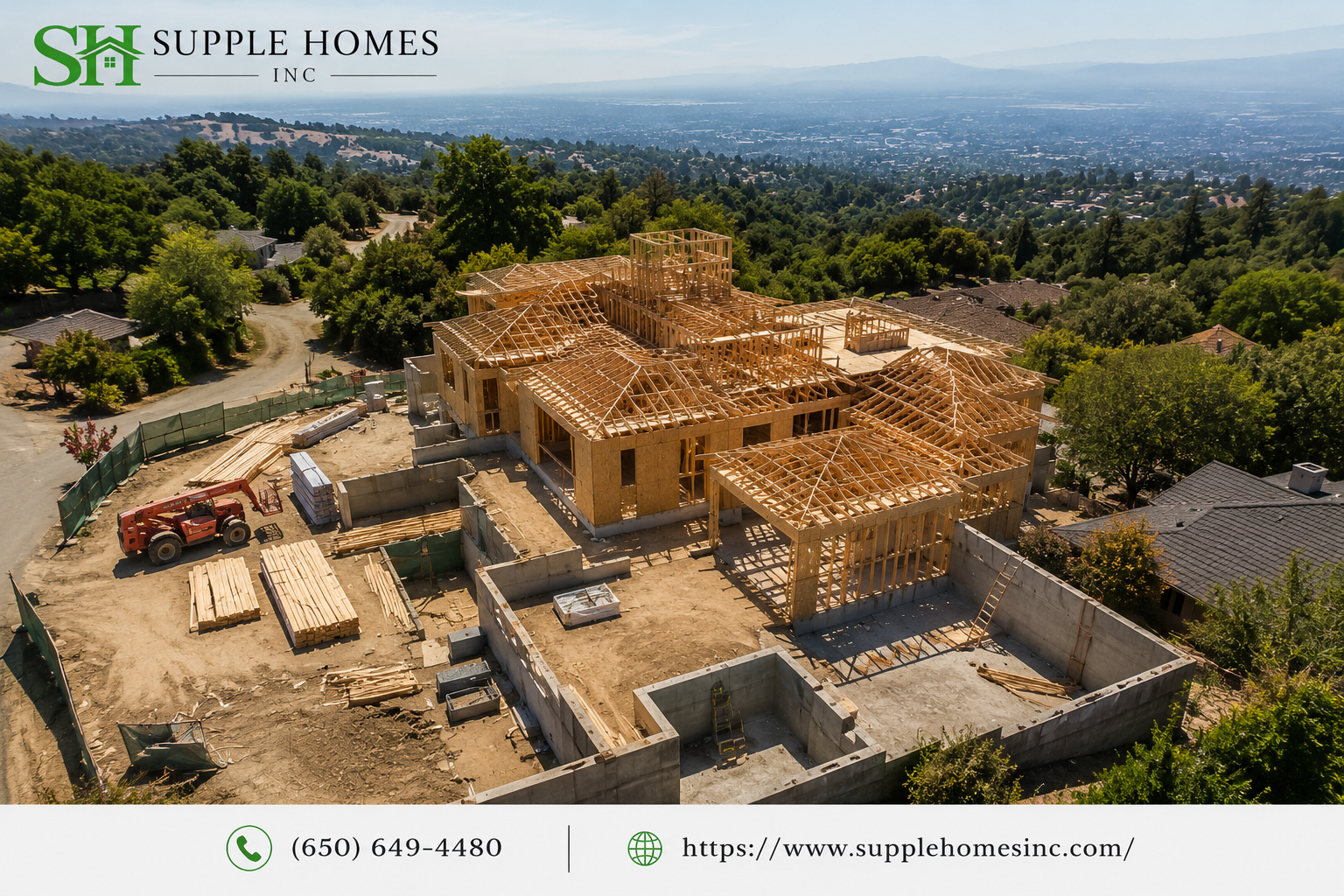
Why Does Underestimating Costs Derail So Many Silicon Valley Builds?
The cost-per-square-foot number you see quoted online has almost no bearing on what you will actually spend in this market. Homeowners hear figures like $400 to $500 per square foot and build their entire financial plan around them. What that number typically excludes: land, site work, permits, architect fees, landscaping, utility connections, and the premium that Silicon Valley labor commands over the state average.
In the South Bay and Peninsula, realistic all-in costs for a fully custom home, including site work, design fees, permits, and construction, typically run between $800 and $1,200+ per square foot, depending on complexity, finish level, and jurisdiction. A 4,000-square-foot home that appears to cost $2 million on paper routinely closes at $3.5 million or more once every line item is accounted for.
The practical consequence is that homeowners run short of financing mid-build. Construction loans have draw schedules, and lenders do not simply extend more funds because the original estimate was optimistic. Projects stall. Relationships with builders deteriorate. Some homeowners are forced to sell incomplete homes at a significant loss.
What Happens When You Rush the Design Phase?
There is a moment in almost every custom build when the homeowner, impatient to start construction, pushes to finalize plans before they are truly ready. This is where the most expensive mistakes get locked in. Changes made on paper cost almost nothing. The same change made after framing can cost thousands of dollars, depending on what has already been built.
Industry data consistently shows that design changes made during construction are 5 to 10 times more expensive than changes made during the schematic design phase. For a $3 million custom home, even a modest scope of mid-construction changes can add $150,000 or more in direct costs, not counting the schedule delays that ripple through subcontractor schedules.
A thorough design phase also surfaces site-specific constraints early. In hillside communities like Los Gatos, Monte Sereno, and Portola Valley, soil conditions, setback requirements, and view corridor protections can fundamentally reshape what you are allowed to build. Discovering these constraints after committing to a design is not just frustrating. It is expensive.

How Do You Spot a Builder Who Will Actually Deliver?
The lowest bid wins the job more often than it should. Homeowners, already stretched by land costs and design fees, naturally gravitate toward the contractor who promises the most for the least. What they are often buying is a bid that does not include everything, or a builder whose business model depends on changing orders to make the job profitable.
There are specific things to look for beyond license verification and insurance certificates.
- Local permit experience matters enormously. A builder who has navigated Cupertino's building department is not automatically equipped for Los Altos Hills, where grading and view preservation rules differ significantly.
- Ask for references from completed projects, not ongoing ones. A builder with three half-finished homes and five glowing in-progress testimonials tells you very little about their ability to close a project cleanly.
- Review their subcontractor relationships. In a tight labor market, builders with established subcontractor networks get priority scheduling. Builders without them scramble, and you absorb the delays.
- Understand how they handle contingencies. A builder who cannot explain how they manage unexpected site conditions or material cost escalations is one who will come back to you for more money when those situations arise.
Companies like Supple Homes Inc. have built their reputation in Silicon Valley specifically by staying transparent about costs, timelines, and the realities of local construction before a contract is signed. That kind of upfront honesty is rarer than it should be, and it is worth finding.
What Does Permitting Actually Look Like in Silicon Valley?
Homeowners from outside the Bay Area are often blindsided by how long permitting takes in Silicon Valley cities. This is not bureaucratic slowness for its own sake. The region has complex zoning overlays, fire hazard severity zones, environmental review requirements, and in many hillside communities, design review boards that evaluate aesthetics alongside structural compliance.
In cities like Palo Alto, Saratoga, and Menlo Park, permit approval timelines for new custom homes commonly range from 8 to 18 months. Projects that trigger environmental review or require design review board hearings can extend beyond two years. Homeowners who do not account for this in their financing and life planning timelines frequently face significant disruption.
The practical move is to work with a builder who has active relationships with local planning departments and knows how to submit plans that minimize back-and-forth correction cycles. Each round of plan check corrections adds weeks or months. An experienced local builder often cuts this time significantly simply by knowing what each department requires before the first submission.
Step-by-Step: How to Approach Your Silicon Valley Custom Build
- Establish your true all-in budget before purchasing land. Work with a local builder or cost estimator to model the complete project cost, including soft costs, permits, and a contingency fund of 15 to 20 percent. Buying land first and budgeting second is a common sequence that creates serious problems.
- Engage your architect and builder simultaneously. The traditional design-bid-build sequence, where you complete full plans before approaching contractors, produces bids that often exceed your budget with no easy path to value-engineering. A collaborative process keeps cost reality embedded in design decisions from day one.
- Understand your site before finalizing your design. Commission a geotechnical report, survey, and preliminary title review. For hillside lots, a topographic survey is essential. These reports surface constraints that must be reflected in your design, not discovered afterward.
- Submit complete, coordinated permit documents. Incomplete or inconsistent permit packages are the single most common cause of extended review timelines. Structural, civil, and architectural drawings must be fully coordinated before submission.
- Lock in key subcontractor commitments early. Framing, mechanical, electrical, and plumbing contractors in Silicon Valley are often booked 6 to 12 months out. Your builder should be securing schedule commitments before construction begins, not scrambling during it.
- Track your contingency fund as a live document. Every change order, unexpected condition, and scope addition should be logged against your contingency balance in real time. Homeowners who lose visibility on this number end up surprised at the end of the project.
Common Mistakes That Even Experienced Homeowners Make
- Choosing fixtures and finishes too late. Long-lead items like custom windows, imported stone, and specialty appliances can have 16 to 24 week lead times. Deciding these late pushes your move-in date regardless of how well everything else is managed.
- Ignoring resale value in design decisions. Highly personalized design choices that reflect your specific taste can limit your buyer pool significantly if you ever sell. Knowing how to increase resale value through smart design decisions is worth understanding before finalizing your plans.
- Underestimating the emotional load of the process. A custom home build is a 2 to 4 year engagement with significant financial stakes and countless decisions. Homeowners who do not plan for the mental and logistical demands of the process often make worse decisions under pressure.
- Failing to clarify what is included in the contract. Scope disputes are among the most common causes of builder-homeowner conflict. What "standard finishes" means to you and what it means to your contractor can differ by $200,000.
- Not planning for where you will live during construction. Rental costs in Silicon Valley are significant. Homeowners who do not factor temporary housing into their financial plan often feel cost pressure that leads to rushed decisions about their build.

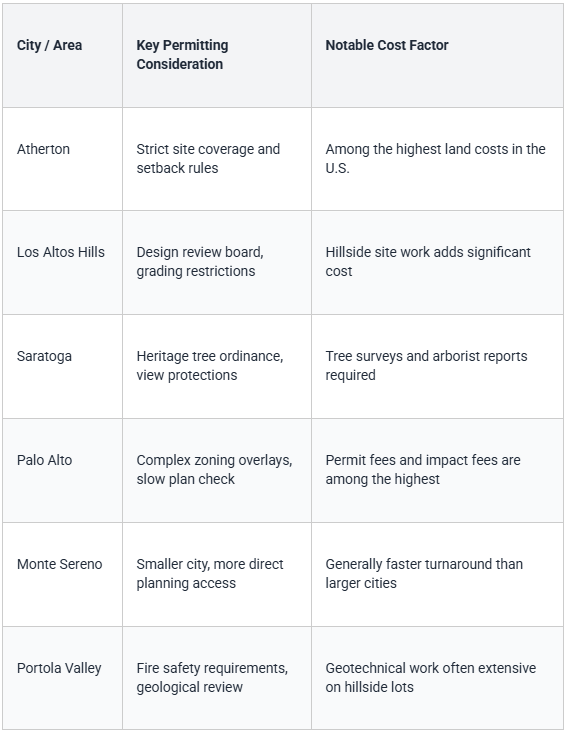
What Areas Near Silicon Valley Have Different Rules and Costs?
Silicon Valley is not a single regulatory environment. Different cities have meaningfully different permitting processes, design standards, and cost environments that affect your build. Understanding the landscape matters for high-end buyers evaluating multiple lot options across the region.
How Does Financing Actually Work for Custom Builds in This Market?
Construction loans in Silicon Valley typically require 20 to 30 percent down on the total project cost, which on a $3 to $5 million build represents $600,000 to $1.5 million in liquid capital before construction begins. Interest rates on construction loans are generally 0.5 to 1.5 percentage points higher than conventional mortgage rates, and interest accrues on drawn funds throughout the build period.
Most homeowners underestimate how much capital must be liquid, not just on paper, at the start of a build. Equity in another property does not automatically convert to a construction loan qualification. Lenders evaluate income, reserves, and the appraised value of the completed project. Getting clear on your financing structure before committing to a lot purchase is essential, not optional.
Understanding custom construction financing options specific to this market can make the difference between a project that starts strong and one that stalls before the foundation is finished.
Frequently Asked Questions
How long does it really take to build a custom home here?
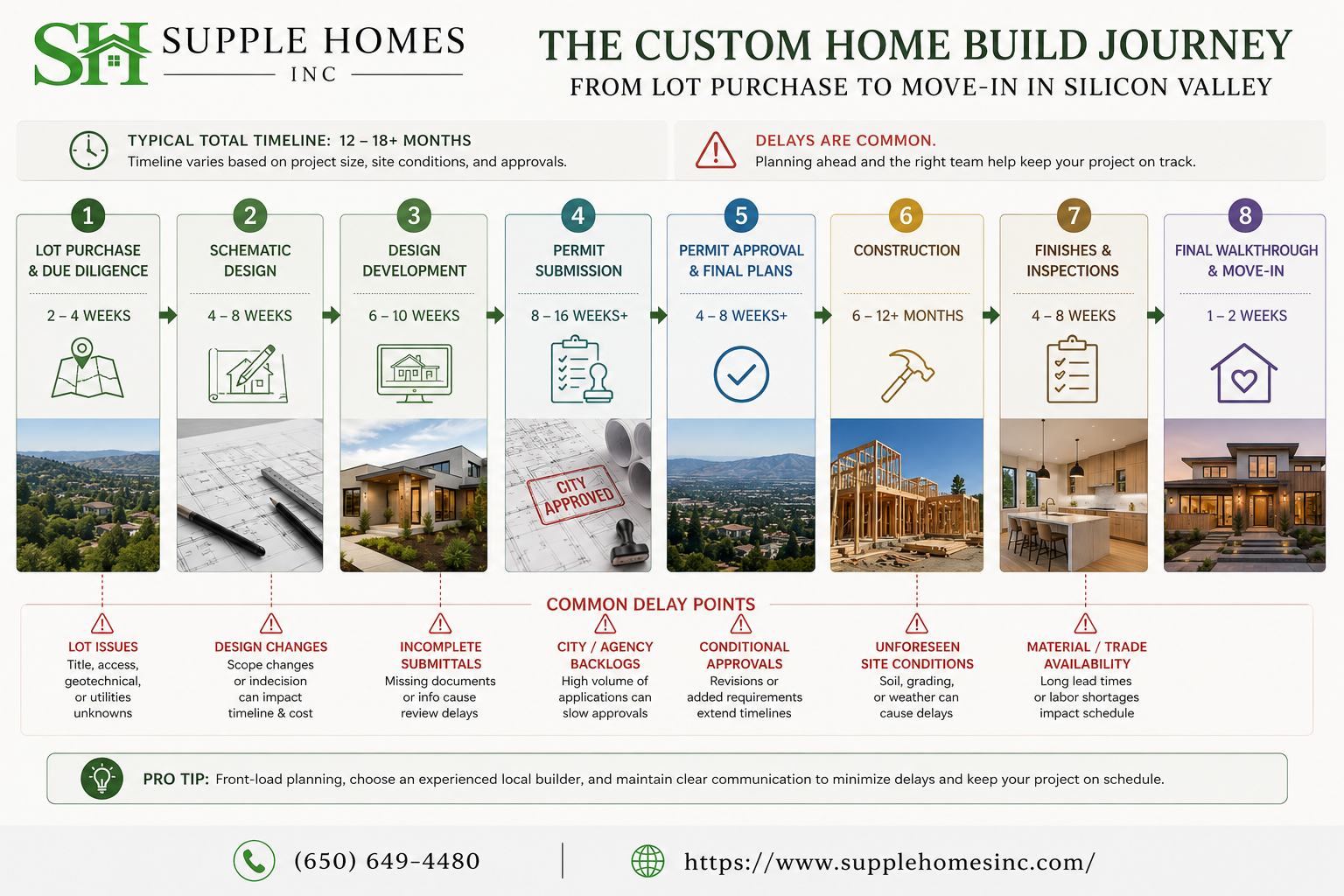
From land purchase to move-in, most custom homes in Silicon Valley take 3 to 5 years. That includes roughly 12 to 18 months of design and permitting, followed by 12 to 24 months of construction depending on project scope. Homeowners who budget 2 years and plan to move in on that schedule consistently find themselves disappointed and financially stressed when reality sets in.
Is the "cost per square foot" metric reliable?
No, not in any meaningful way for planning purposes. Cost per square foot numbers circulating online rarely include land, design fees, permits, site work, or landscaping. In Silicon Valley, these excluded costs routinely represent 30 to 50 percent of the total project cost. Use cost per square foot as a rough directional indicator only, and build your actual budget with a detailed scope of work and line-item estimates from your builder.
What is the "design-build" process?
Design-build is a delivery method where your architect and builder work as a single coordinated team from the beginning rather than sequentially. This approach keeps cost reality embedded in design decisions throughout the process, reduces the risk of plans that cannot be built within budget, and typically shortens the overall timeline by overlapping phases that would otherwise happen one after another. It is particularly well-suited to the complex, high-stakes custom home environment of Silicon Valley.
Do I need a contingency fund?
Yes, and larger than you expect. A contingency of 15 to 20 percent of your construction budget is a reasonable minimum for a Silicon Valley custom build. Soil conditions, subterranean utilities, material cost fluctuations, and design refinements during construction all generate costs that were not in the original scope. Homeowners who treat contingency as optional money they hope not to use almost universally spend it, and sometimes need more.
What is the best way to choose a builder?
Interview at least three builders with documented experience in your specific city or neighborhood. Ask for references from homeowners whose projects are fully completed, walk finished homes if possible, and ask each builder to explain specifically how they have handled situations where costs exceeded original estimates. The answers will reveal far more about how your project will actually go than any proposal document will.
Final Thoughts
Building a custom home in Silicon Valley is genuinely one of the most rewarding things a family can do, and one of the most punishing if approached without the right preparation. The mistakes covered here are not rare edge cases. They show up repeatedly across projects at every price point, and they share a common thread: they are almost all avoidable with better information and better partners at the start of the process.
The homeowners who come out the other side with a home they love and a process they would do again are the ones who spent more time getting the fundamentals right before breaking ground. They understood their real budget, chose their builder for the right reasons, and treated the design phase as the investment it actually is.
If you are planning a custom home in Silicon Valley and want to work with a team that has navigated this market across dozens of completed projects, Supple Homes Inc. is ready to help. Call (650) 649-4480 to start a conversation about your project, your lot, and what a realistic path forward looks like for your specific situation.