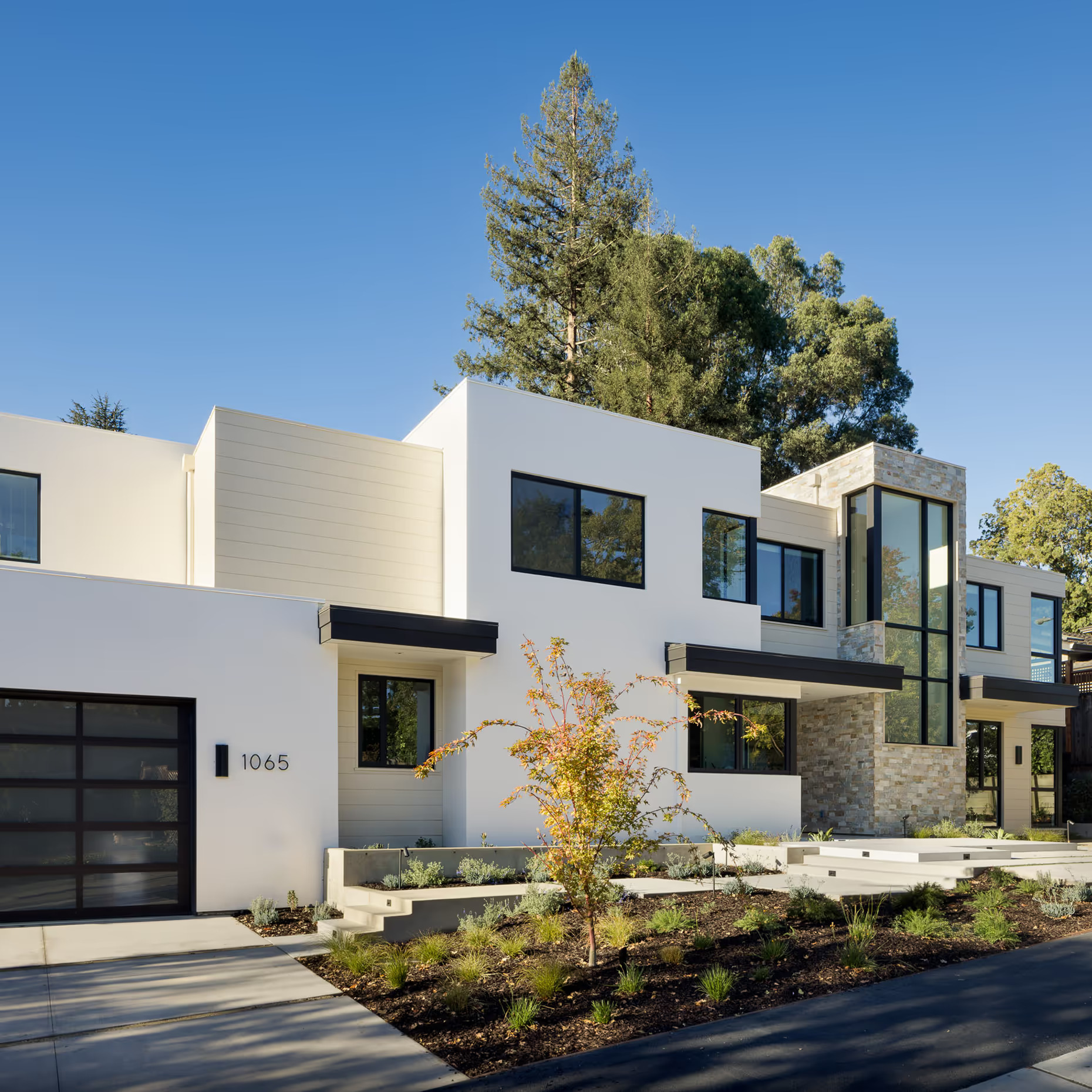
Silicon Valley is not a typical residential market. It is a region defined by innovation, intensity, and long-term ambition. Families who choose to build here are not planning for short stays. They are building homes intended to support demanding careers, high academic expectations, active social lives, and multi-generational gatherings.
When homeowners begin searching for a custom home builder for families in Silicon Valley, they are not simply evaluating finishes or square footage. They are evaluating whether the builder understands how their lives function. The home must perform as a workplace, a study environment, a retreat, and an investment asset all at once.
In this market, construction discipline is what separates a home that feels balanced from one that feels overstretched.
Understanding the Silicon Valley Family Lifestyle
Families in Silicon Valley often operate on layered schedules. Mornings begin early. Work calls start before school drop-off. Afternoons include structured activities. Evenings may involve extended work sessions or hosting guests.
The home must support:
- Simultaneous work activity
- Independent study time
- Social gatherings
- Privacy when needed
- Efficient daily routines
A custom home builder for families in Silicon Valley must construct with this rhythm in mind. Every structural decision influences how the home supports that pace.
Zoning the Home for Daily Performance
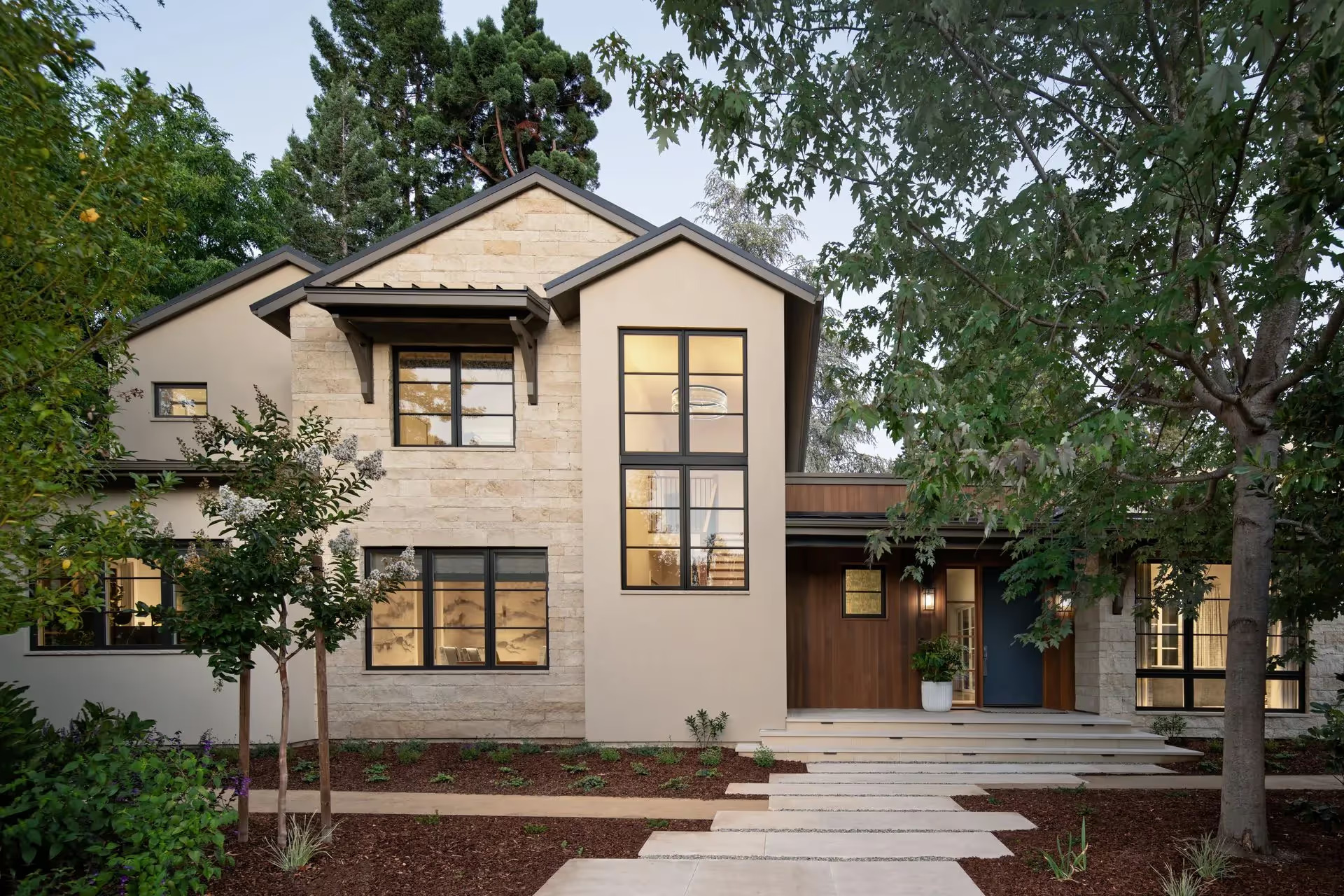
One of the most important construction strategies in Silicon Valley homes is effective zoning. Zoning does not refer to municipal codes. It refers to organizing the structure into functional clusters.
A well-zoned home may include:
- A defined professional wing or office zone
- A private bedroom corridor
- Central gathering areas
- Transitional utility spaces, such as mudrooms or storage hubs
This structural organization prevents overlap between high-focus and high-activity areas.
Framing decisions, corridor width, stair placement, and structural span coordination all influence how effectively these zones function.
Creating Dedicated Work Environments
Remote work has fundamentally reshaped residential expectations. Silicon Valley professionals often require high-performing home offices.
Construction priorities for productive work environments include:
- Clear separation from kitchen and living traffic
- Reinforced framing for integrated shelving and cabinetry
- Electrical capacity for multiple devices
- Thoughtful mechanical routing to maintain steady comfort
- Window placement that provides light without glare
When these elements are integrated during construction, the office becomes a permanent and reliable workspace rather than a temporary adaptation.
Designing Study Spaces That Mature Over Time
Children’s needs evolve quickly. Playrooms become study areas. Shared bedrooms transition to independent zones.
Structural foresight may include:
- Bonus rooms framed to accommodate future conversion
- Reinforced walls for desks and cabinetry
- Closet configurations adaptable for changing storage needs
- Mechanical zoning that allows different temperature preferences
Homes built with adaptability reduce the need for structural alteration as children mature.
Flow That Reduces Daily Stress
High-performing households benefit from efficient circulation. Poorly coordinated layouts can create congestion, particularly during mornings and evenings.
Construction-level flow planning considers:
- Direct access from the garage to the utility zones
- Clear separation between private and public corridors
- Stair placement that avoids cutting through main gathering areas
- Wide transitions in high-traffic areas
When framing supports efficient movement, daily routines feel manageable rather than chaotic.
Structural Stability in Larger Floor Plans
Many Silicon Valley custom homes feature open layouts and wide spans. These designs require careful structural reinforcement to prevent long-term movement.
Execution considerations include:
- Proper beam sizing and load calculations
- Floor system coordination to minimize deflection
- Precise alignment across multiple levels
- Careful integration of mechanical systems within structural cavities
Minor inaccuracies can become visible over time in large open spaces. Precision protects longevity.
Durability in High-Use Zones
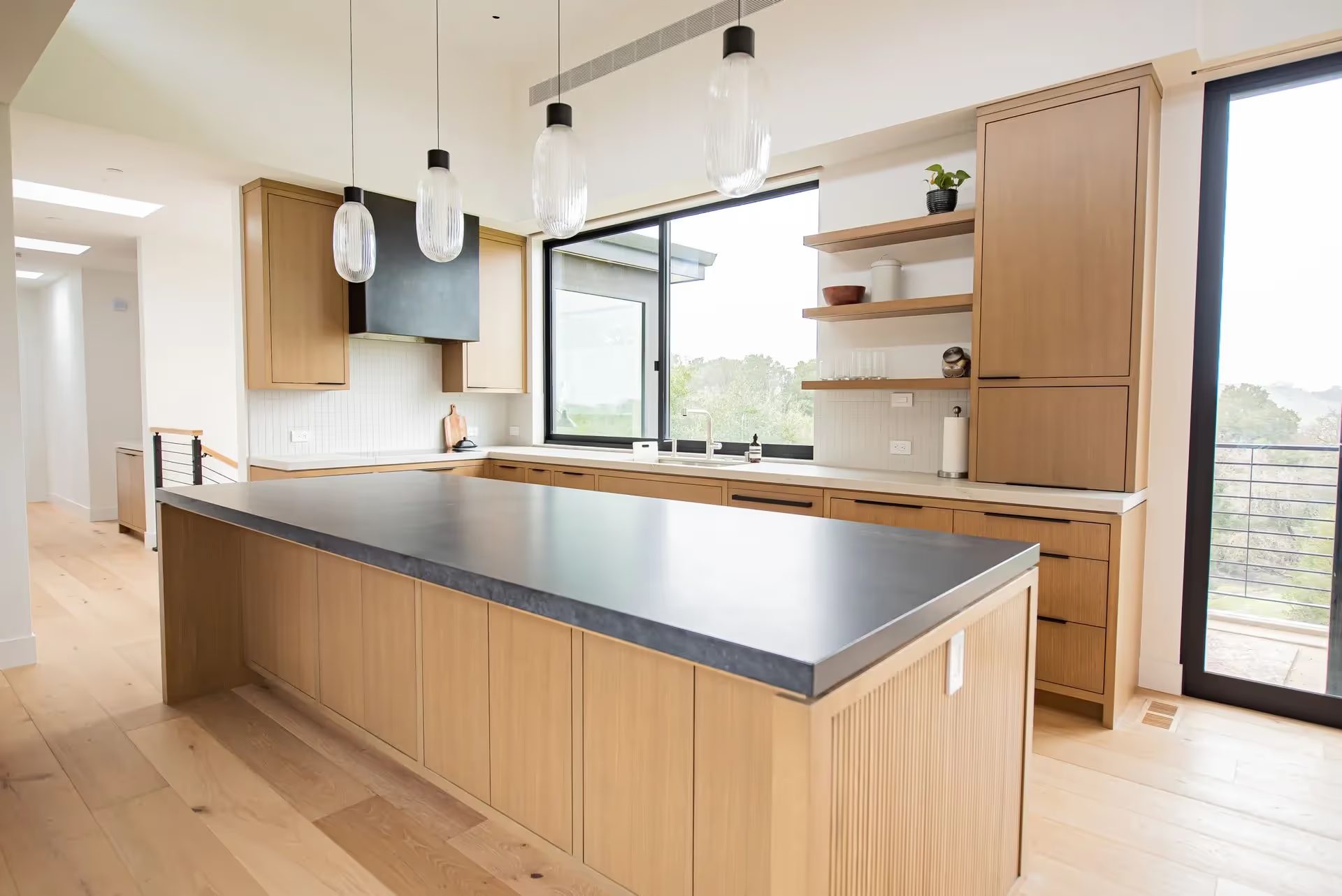
Silicon Valley families frequently host gatherings. Kitchens, family rooms, and entryways see consistent wear.
Durability begins beneath the surface.
Important reinforcement strategies include:
- Subfloor preparation and fastening protocols
- Cabinet anchoring to structural backing
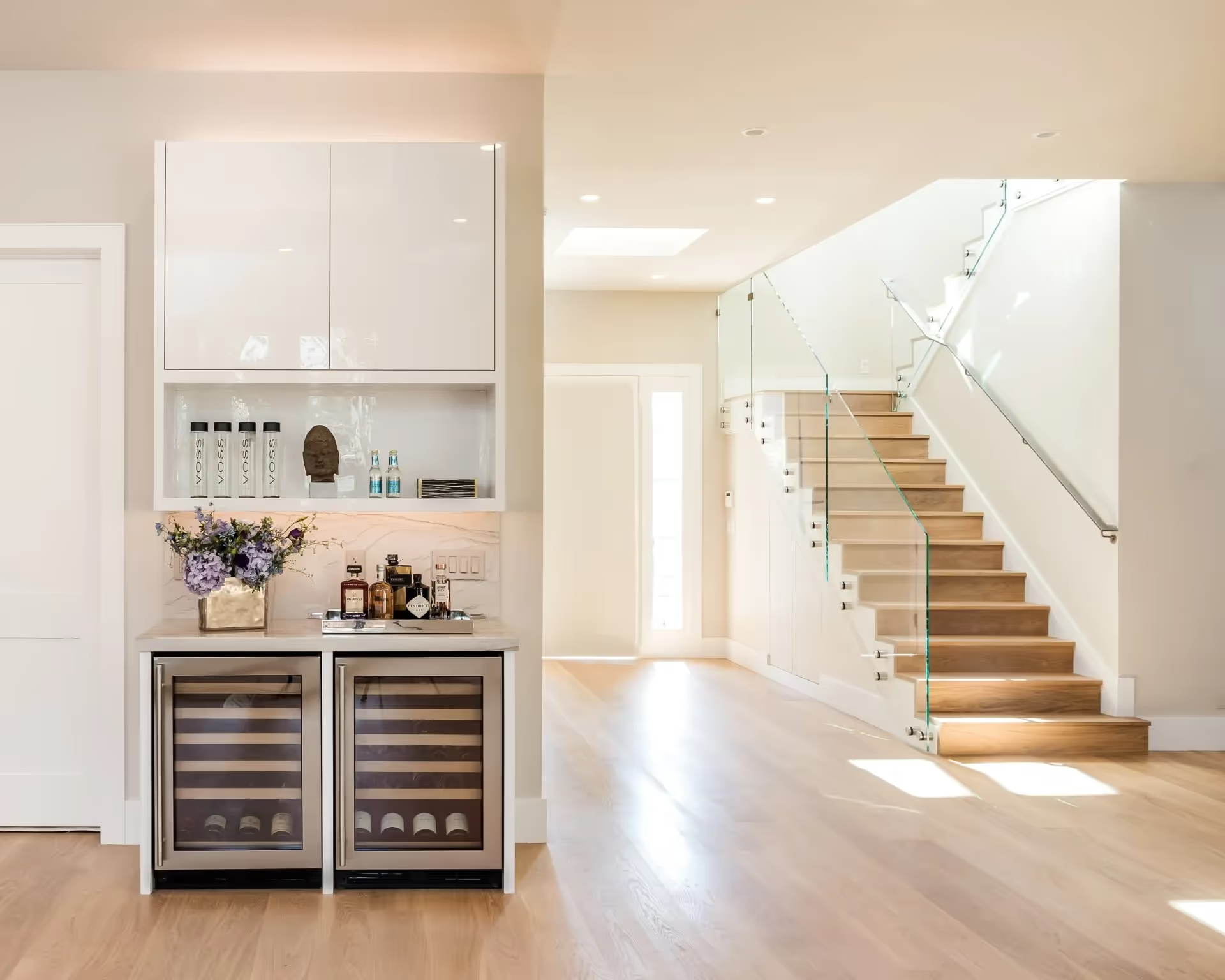
- Stair systems secured to prevent movement
- Durable thresholds at high-traffic transitions
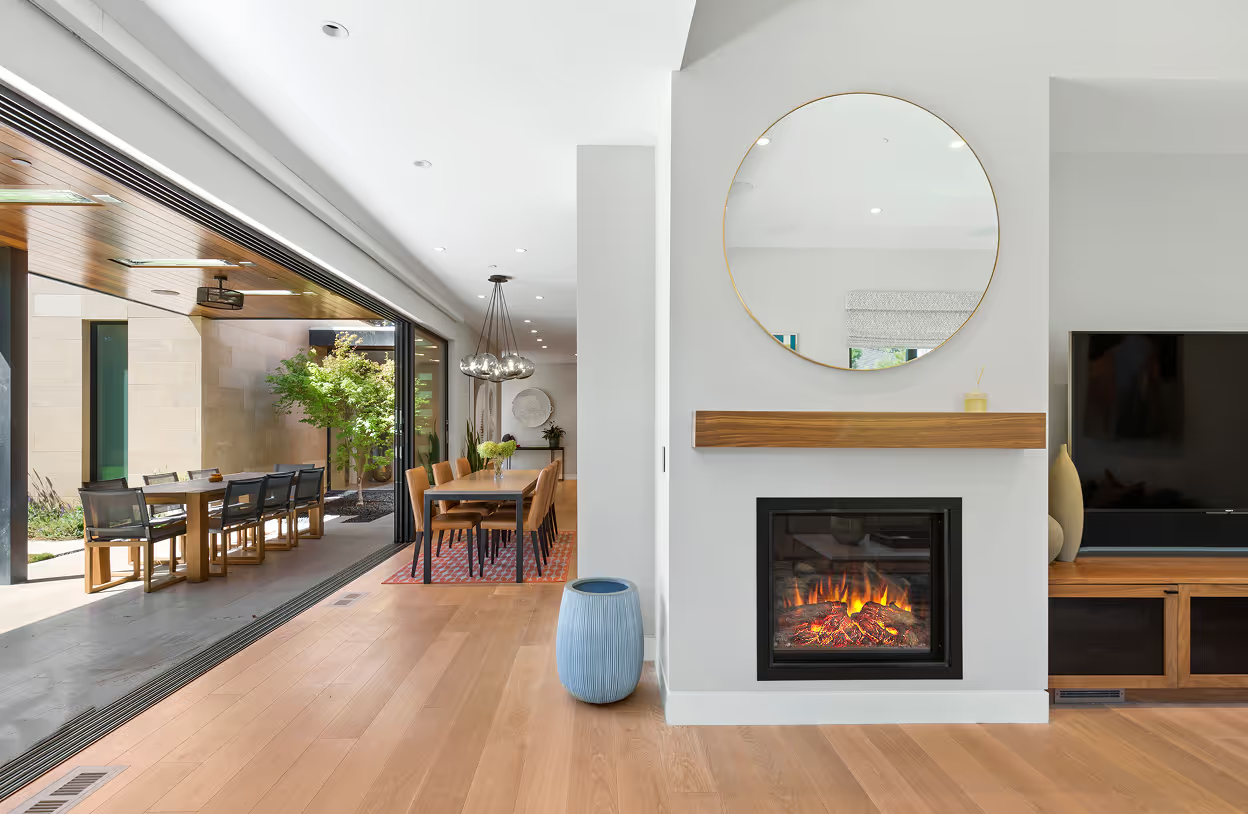
- Reinforced framing for large sliding doors
A custom home builder for families in Silicon Valley must ensure that high-traffic areas retain their integrity for years.
Climate Performance and Energy Efficiency
Silicon Valley’s climate may be moderate, but energy performance still matters. Families expect consistency and efficiency.
Execution standards that support performance include:
- Continuous air sealing
- Insulation installed without gaps
- Balanced HVAC zoning across floors
- Proper window flashing and sealing
- Moisture management in service areas
Precision in these areas reduces long-term maintenance and enhances comfort.
Storage as a Structural Element
Growing families accumulate technology, equipment, seasonal décor, and educational materials. Storage must be built into the structure.
Construction planning can incorporate:
- Framing for built-in cabinetry
- Deep closet allowances
- Reinforced garage shelving zones
- Utility rooms with adaptable layouts
Integrated storage maintains visual clarity and daily efficiency.
Integrating Outdoor Living
Silicon Valley families frequently use outdoor areas for dining, recreation, and relaxation. Indoor-outdoor continuity increases functional space.
Structural priorities include:
- Waterproof detailing at wide openings
- Reinforced framing for covered patios
- Proper site drainage
- Durable exterior finish installation
Outdoor areas must perform as permanent extensions of the home.
Preparing for Technological Evolution
Homes built in Silicon Valley must accommodate technological change. Infrastructure should not limit future upgrades.
Forward-thinking construction may include:
- Oversized electrical panels
- Accessible conduit pathways
- Dedicated mechanical rooms with service clearance
- Structured wiring systems
Homes that anticipate technology shifts remain adaptable.
Managing Multi-Generational Needs
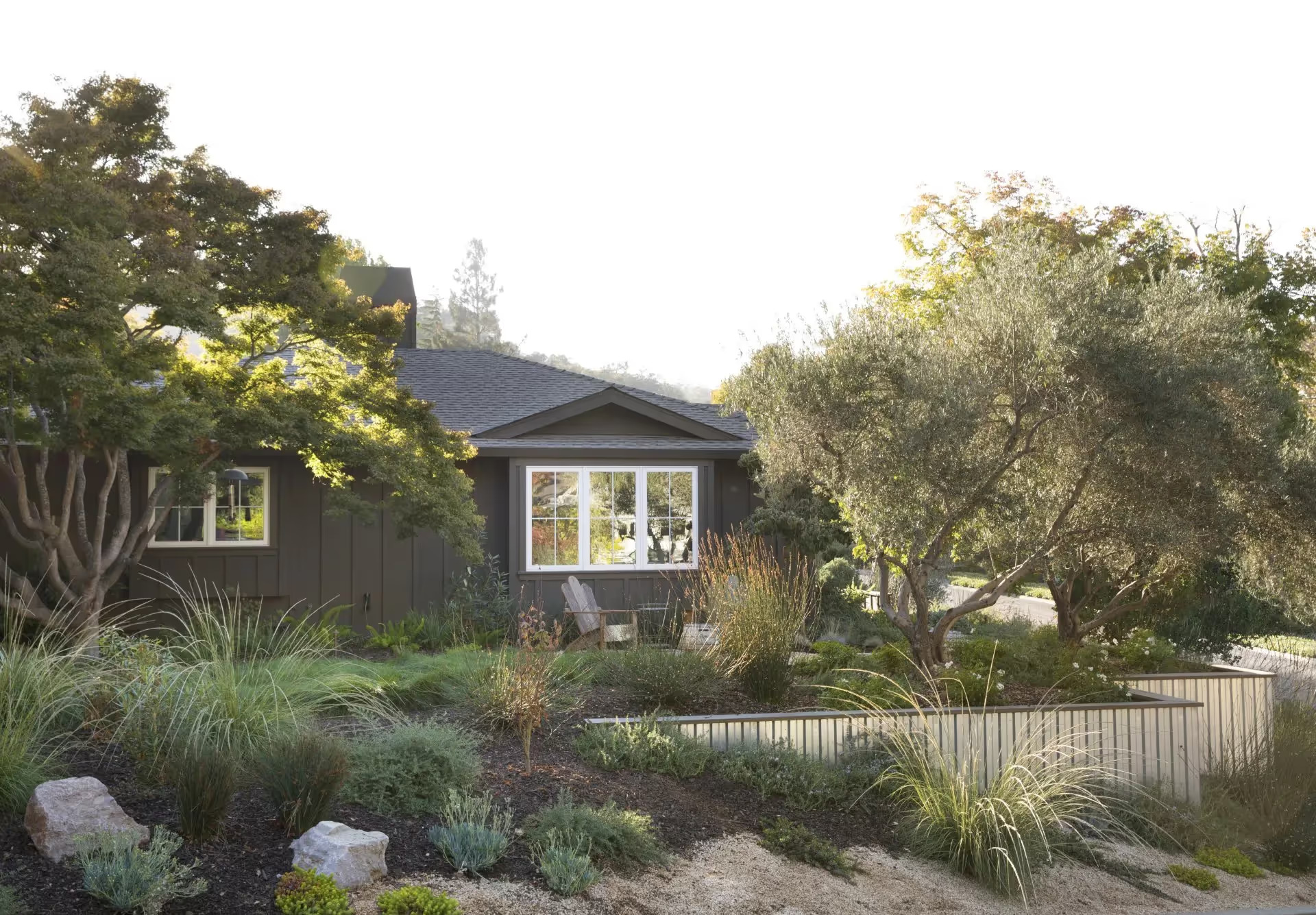
Many families building in Silicon Valley consider future extended stays from aging parents or adult children.
Construction foresight may provide:
- Private guest suites
- Independent access options
- Reinforced framing for potential kitchenette installation
- Mechanical zoning for comfort separation
Homes that accommodate extended family reduce the need for future remodeling.
Coordinating Complex Systems With Discipline
Custom homes in Silicon Valley frequently integrate advanced mechanical systems and layered infrastructure.
Effective management requires:
- Clear sequencing between structural and mechanical trades
- Consistent inspection standards
- Coordinated placement of electrical and plumbing components
- Ongoing supervision to reduce rework
Complexity must be organized rather than improvised.
Safety and Long-Term Structural Integrity
Families with children require durable and secure structural elements.
Important considerations include:
- Secure stair rail anchoring
- Even transitions between flooring materials
- Guardrail systems built to lasting standards
- Durable exterior walkways
Safety is built into the framing and finishing stages.
Protecting Long-Term Investment Value
Silicon Valley real estate represents significant long-term investment. Construction quality protects value.
Homes built with disciplined execution tend to:
- Experience fewer structural corrections
- Maintain finish alignment
- Reduce long-term maintenance costs
- Preserve strong resale appeal
Families expect both lifestyle performance and financial stability.
Construction Leadership Makes the Difference
Selecting a custom home builder for families in Silicon Valley ultimately comes down to leadership. Clear communication, disciplined scheduling, and consistent supervision define successful projects.
Strong leadership ensures:
- Realistic timelines
- Trade accountability
- Coordinated inspections
- High standards at every phase
High-performing households require equally structured construction processes.
Building for Decades of Change
The most successful homes in Silicon Valley are built for evolution. Work demands shift. Children grow. Technology advances.
A properly executed custom home supports:
- Professional productivity
- Academic focus
- Efficient daily routines
- Flexible gathering areas
- Long-term structural stability
Longevity is achieved through precision.
Moving Forward With Confidence
Choosing a custom home builder for families in Silicon Valley requires more than reviewing finishes or floor plans. It requires evaluating how the builder approaches structure, sequencing, durability, and long-term performance.
At Supple Homes, the focus remains on disciplined execution, coordinated trade management, and construction standards that support demanding family lifestyles. The objective is to build homes that operate efficiently under real daily use while preserving the stability and quality expected in Silicon Valley.
If you are considering building a custom home that balances work, school, gathering, and everyday living, a detailed conversation about structure, execution, and long-term performance is the appropriate next step.