The Peninsula Approach to Custom Home Building
Building a custom home in Menlo Park, Palo Alto, Atherton, or any surrounding Peninsula neighborhood is a major undertaking, but it becomes a rewarding experience when homeowners understand how the process unfolds. The journey is detailed, structured, and shaped by steady coordination between the contractor, the architect, and the various trades involved. Each phase has its own rhythm, goals, and decisions. When everything is managed well, the result is a home that offers comfort, beauty, and long lasting value.
The construction process is often unfamiliar to homeowners, especially those who may be building for the first time. Knowing what happens at each step helps provide clarity, reduces stress, and allows families to follow the progress of their home with confidence. On the Peninsula, expectations for quality are high, and a skilled contractor guides homeowners through the entire journey in a thoughtful and transparent way.
Understanding the Early Stages of Construction
The journey begins long before finishes, fixtures, or cabinetry come into view. The early phases focus on creating a solid foundation for everything that will follow. These stages require precision and organization, as they determine the long term performance and stability of the home.
Site Work Sets the Tone
Every construction project starts with site work. This includes clearing, grading, temporary utilities, access routes, and the preparation necessary for the foundation. The characteristics of each lot play a central role in this phase. Soil conditions, neighboring properties, street access, and drainage all influence how the contractor approaches site preparation.
Site work demands close coordination between engineers and the construction team. When this step is done carefully, the rest of the project benefits from a strong start.
Foundation Work Establishes Strength
The foundation supports the entire structure, which makes accuracy essential. Formwork, steel reinforcement, and concrete placement require skilled labor and consistent oversight. A well built foundation supports structural integrity and ensures that the home remains strong throughout the years.
Contractors on the Peninsula understand how important this stage is for long term durability. They follow engineering specifications closely and confirm that everything meets the necessary standards before moving forward.
Framing and the Transformation of Space
Once the foundation is complete, framing begins. This is the moment when the home takes shape and the design becomes visible. Walls rise, rooms form, and the layout becomes real. For many homeowners, this is one of the most exciting stages because they can finally walk through the spaces they have imagined for months.
Structural Framing
Framing includes floors, walls, and roof structures. Every piece must be installed with precision so that doors align, windows operate smoothly, and interior finishes attach cleanly. The contractor coordinates carpenters, engineers, and inspectors to confirm that the framing meets all structural requirements.
Mechanical Planning During Framing
While framing progresses, the contractor also plans for mechanical systems. Electrical lines, plumbing routes, and heating and cooling pathways are all mapped out to ensure they fit neatly within the structure. This planning prevents future complications and supports a more efficient installation process.
Mechanical and Interior Systems Bring the Home to Life
After framing, the home enters one of the most important phases of construction. Mechanical systems are installed, inspected, and tested to ensure that everything works as intended.
Electrical and Lighting Systems
Electrical work includes wiring, outlets, lighting plans, and integration with smart systems. On the Peninsula, homeowners often choose advanced lighting options and whole home automation, which must be planned with care.
Plumbing and HVAC
Plumbing lines are installed, along with the heating and cooling systems. These systems contribute significantly to comfort, energy efficiency, and daily living. The contractor ensures that equipment is sized correctly, routed properly, and installed according to code.
Insulation and Drywall
Insulation improves comfort and reduces noise, which is important in busy areas like Palo Alto or Menlo Park. Once insulation is complete, drywall is installed to shape the interior surfaces of the home. This is the point where rooms become defined and the home feels closer to its finished state.

If you are beginning to plan a custom home on the Peninsula, the Supple Homes team can guide you with experience and clarity. You can also download our book Build a Quality Custom Home to learn more about the choices and planning steps that support a successful project.
Exterior Work Shapes the Form and Function of the Home
Exterior work plays a major role in the appearance, strength, and long term performance of the home. A well built exterior protects the structure from weather, provides comfort, and sets the tone for the overall design.
Roofing and Siding
Roofing and siding are installed with care to create a strong and weather resistant envelope. Materials must be chosen for durability in the local climate and installed according to manufacturer guidelines.
Windows and Doors
Windows and doors have a significant impact on comfort, noise reduction, and energy performance. Proper installation ensures smooth operation and long lasting results. The contractor checks every opening to confirm that it seals properly and aligns with the architectural design.
Hardscape and Outdoor Areas
Driveways, pathways, patios, and other hardscape features begin to take shape during this stage. These elements help create transitions between the home and the outdoor environment.
Interior Finishes and the Refinement of Space
Interior finishes bring personality and character to the home. This stage includes cabinetry, flooring, tile work, paint, and finish carpentry. It is here that homeowners see their selections come to life.
Finish Carpentry and Millwork
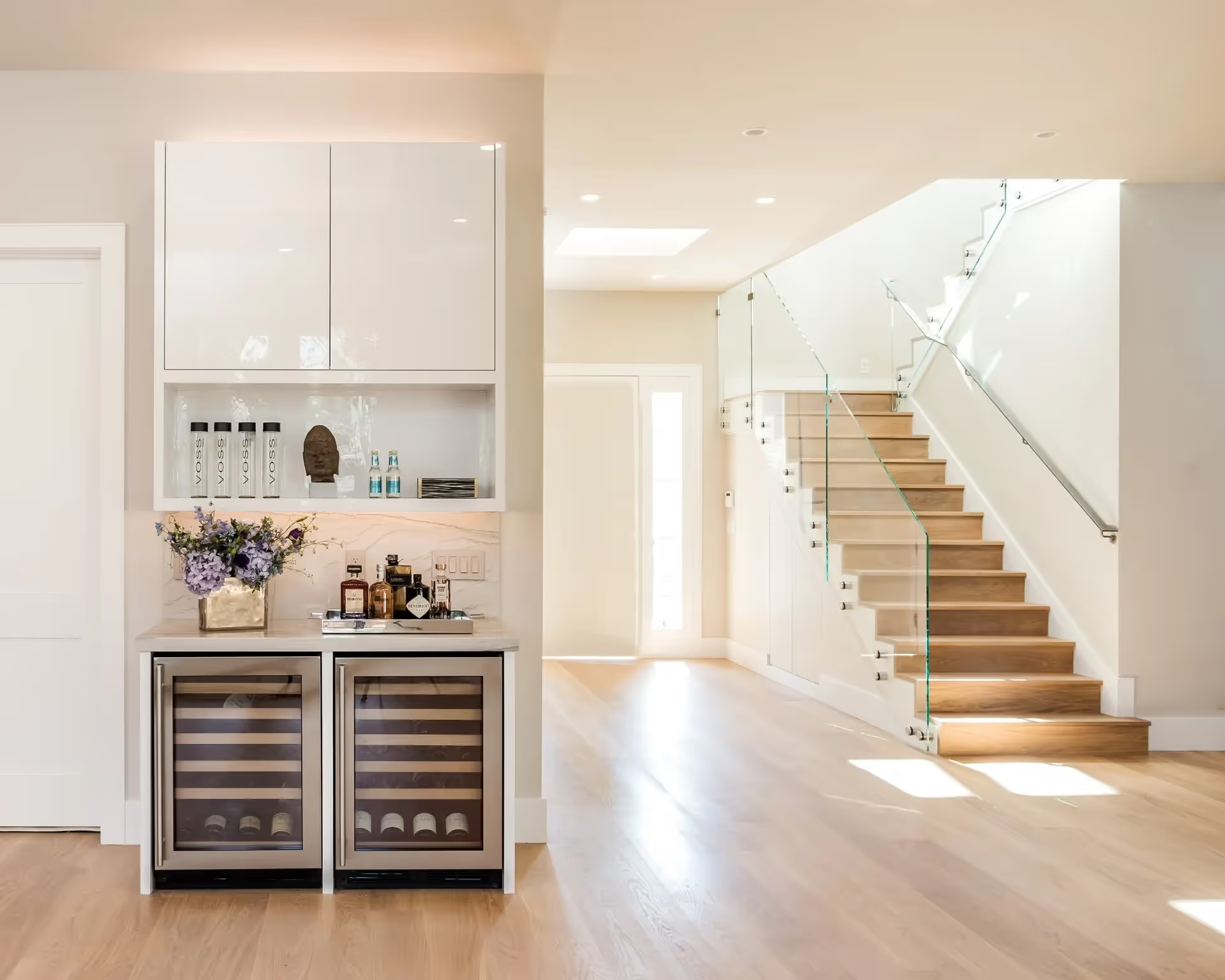
Trim, doors, built ins, and detailed woodwork require accuracy and craftsmanship. These elements contribute to the luxury feel that many families want in their custom homes.
Kitchens and Bathrooms
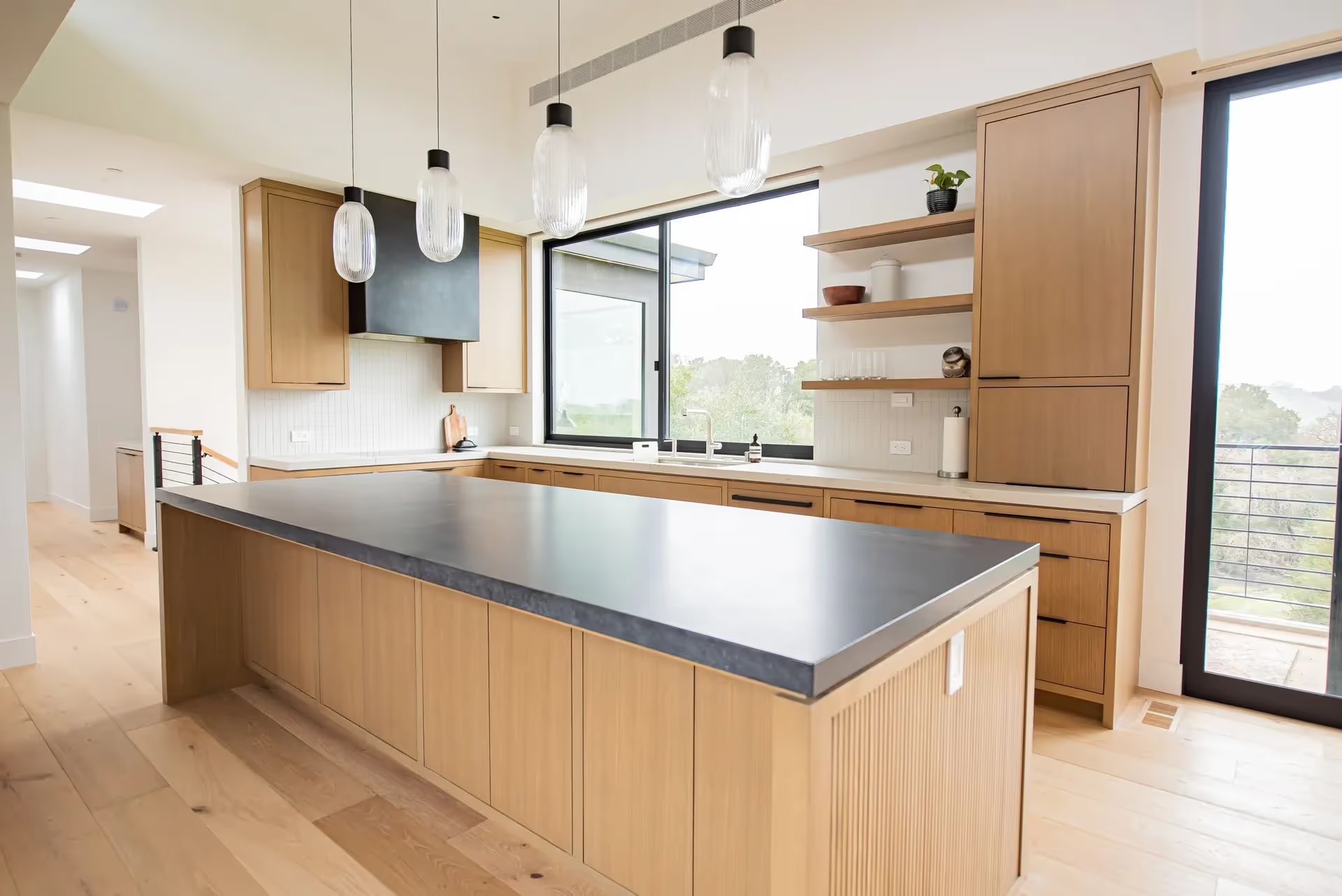
Kitchens and bathrooms require careful installation because they blend structure, plumbing, electrical work, and finishes. Countertops, tile installation, cabinetry, and fixtures all require precision.
Painting and Final Details
Painting brings a clean and finished look to the interior. The contractor confirms that surfaces are prepared correctly and that the final product is consistent throughout the home.
Interior Finishes Homeowners Focus On Most
Homeowners often pay special attention to
• Cabinetry and built ins
• Kitchen and bathroom surfaces
• Flooring, trim, and interior doors
These details help create the overall feel of the home and influence comfort in everyday living.
Coordination, Communication, and Quality Control
Throughout the construction journey, the contractor is responsible for coordinating trades, managing schedules, communicating with the homeowner, and ensuring that the work meets the expected standard. Regular site visits, quality checks, and updates help keep the project running smoothly.
Communication With Homeowners
Homeowners should expect clear updates on progress, upcoming decisions, and any changes that may affect the schedule. A strong contractor keeps communication consistent and transparent.
Managing Inspections and Compliance
Cities on the Peninsula have strict inspection requirements. The contractor coordinates with inspectors, prepares the site for review, and resolves any adjustments that may be needed. This step ensures that the home meets all local codes and regulations.
Preparing for Completion and Move In
As the project reaches the final stages, the contractor performs detailed walkthroughs to identify any items that need adjustment. This process ensures that the home meets the high standard that homeowners expect.
Final Walkthrough
During the final walkthrough, the contractor explains how systems work, reviews finishes, and confirms that everything is ready for move in. This moment marks the transition from construction to daily living.
What a Well Managed Construction Journey Delivers
The construction journey is not only about building a house. It is about creating a home that supports comfort, family life, and long term enjoyment. A well managed process gives homeowners peace of mind, a clear understanding of what to expect, and confidence in the final result.
The Benefits of a Smooth Construction Process
A well guided construction journey offers
• Predictability and clarity
• Quality craftsmanship
• A home that reflects the family’s lifestyle
These benefits help homeowners enjoy the process and appreciate the results for many years.
A Custom Home Built for Peninsula Living
Building a custom home on the Peninsula is an investment in comfort, lifestyle, and long term value. When the construction process is organized and executed with care, the result is a home that blends beauty, function, and durability. For families in Menlo Park, Palo Alto, and nearby communities, a well built custom home becomes a meaningful part of daily life and a place where memories can grow.